Into the Nordic Freeze: Chasing Sweden’s Secret Cold Dips
A Winter Escape to Stockholm
Annie and I decided to head to Sweden in early February last year (2025). It was a country I had never visited, and we thought Stockholm would make the perfect long weekend escape. We did the usual tourist things - ate meatballs, wandered the streets, and of course visited the ABBA Museum.
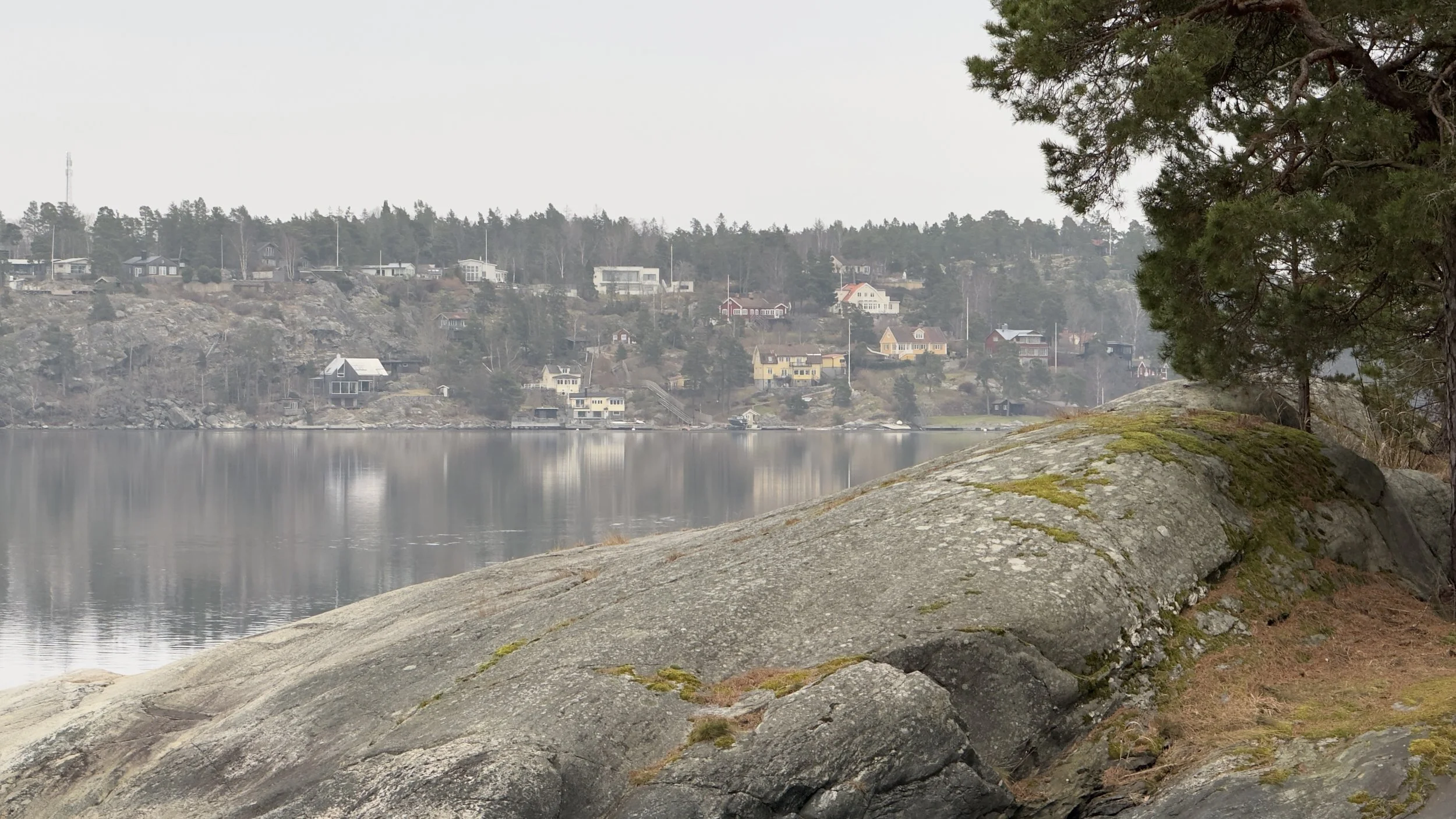
Stockholm in winter has a very particular feel to it. The days are short, barely seven hours of daylight and the light itself hangs low and soft in the sky. Built across 14 islands, the city is never far from water, which in February sits just on the edge of freezing. It’s beautiful, but it also hints at something a little more extreme if you’re willing to lean into it.
Beyond the Tourist Trail
There’s always been an itch in me to get off the tourist trail. Whether it’s finding a completely local place to eat or venturing beyond the city into its quieter surroundings, that’s where things start to feel real. So, being winter, I thought why not head out to the coast, find a sauna, and take on a cold plunge?
What some might not fully realise at the time is that this isn’t just some quirky activity, it’s deeply embedded in Nordic culture. In Sweden, the ritual of alternating between sauna heat (often 70–100°C) and icy water is a way of life. It’s said to boost circulation, reduce inflammation, and trigger a release of endorphins that leaves you feeling both calm and completely alive.
The Journey to Saltsjöbaden
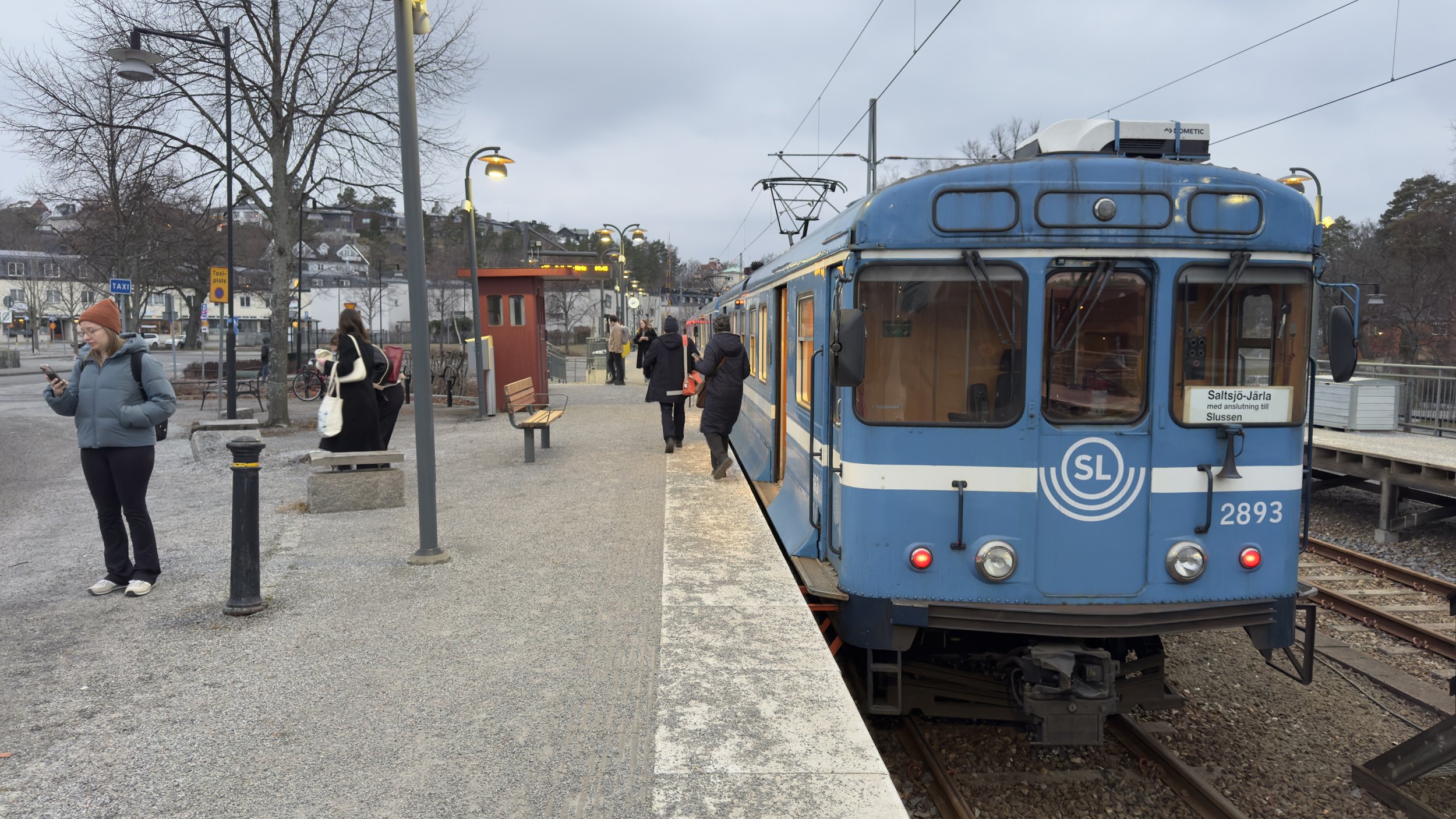
Much to Annie’s initial hesitation, she’s always the type to jump in feet first no matter how nervous she is, and that’s exactly why I love her. We booked a morning slot, and the next day we took the train out to a small coastal village called Saltsjöbaden.
The train itself felt like stepping back in time. As we watched the grey skies roll past and rows of traditional Scandinavian houses drift by, it felt like we were slowly leaving the city behind and entering a quieter, older world. Saltsjöbaden has long been a retreat for Stockholm locals, especially in the summer, but in winter, it feels almost frozen in time!
At the Edge of Stillness
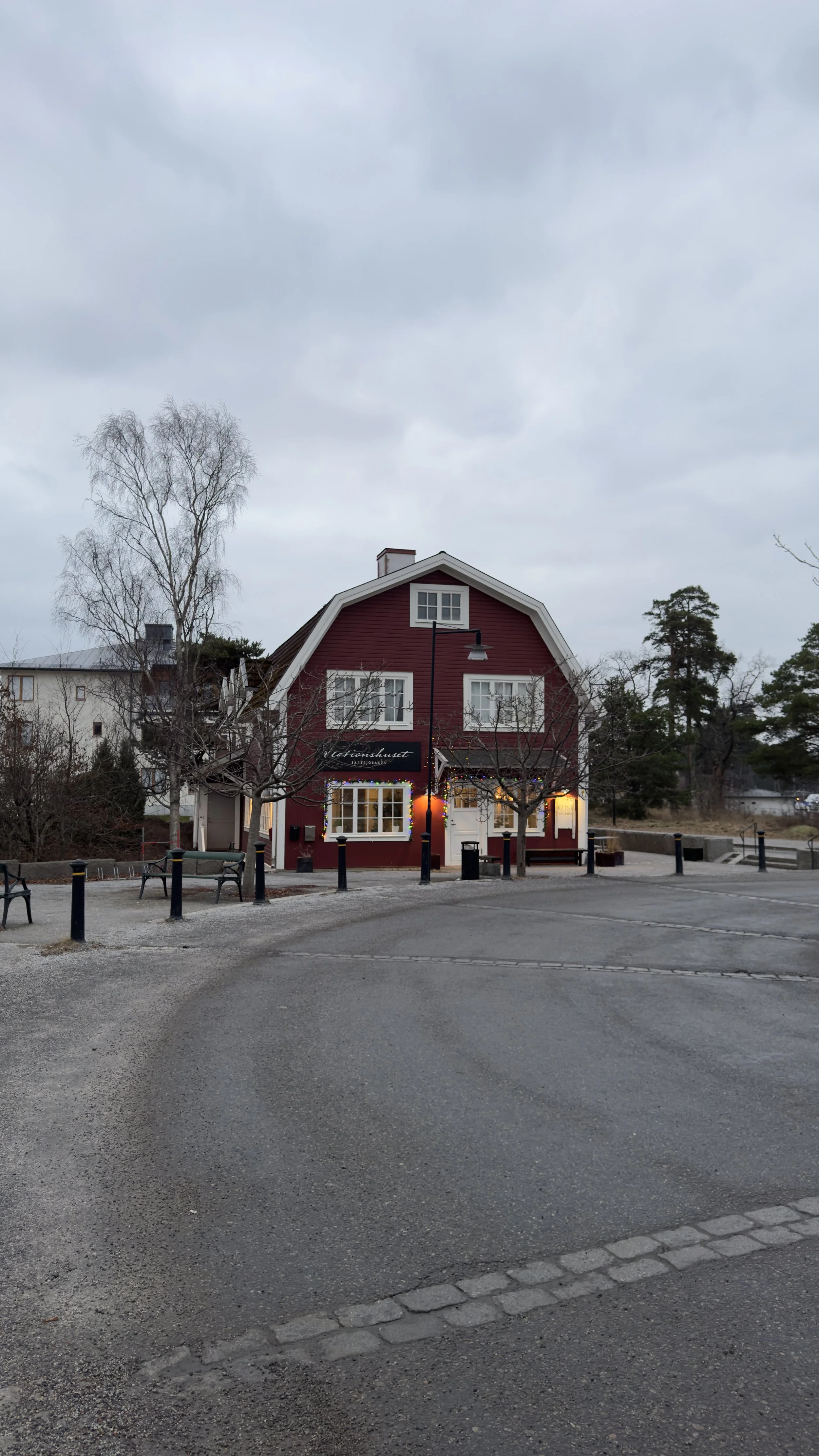
When we reached the end of the line, it was quiet - eerily quiet. The kind of silence you only really notice when you’ve left a city behind. It felt local, rural, and exactly like the off-the-beaten-path place we had been looking for.
With the temperature hovering around freezing and the sky a soft grey, we checked the map and made our way to the spa. When we arrived, we were greeted by friendly staff who pointed us in the direction of what felt like an imminent test of courage.
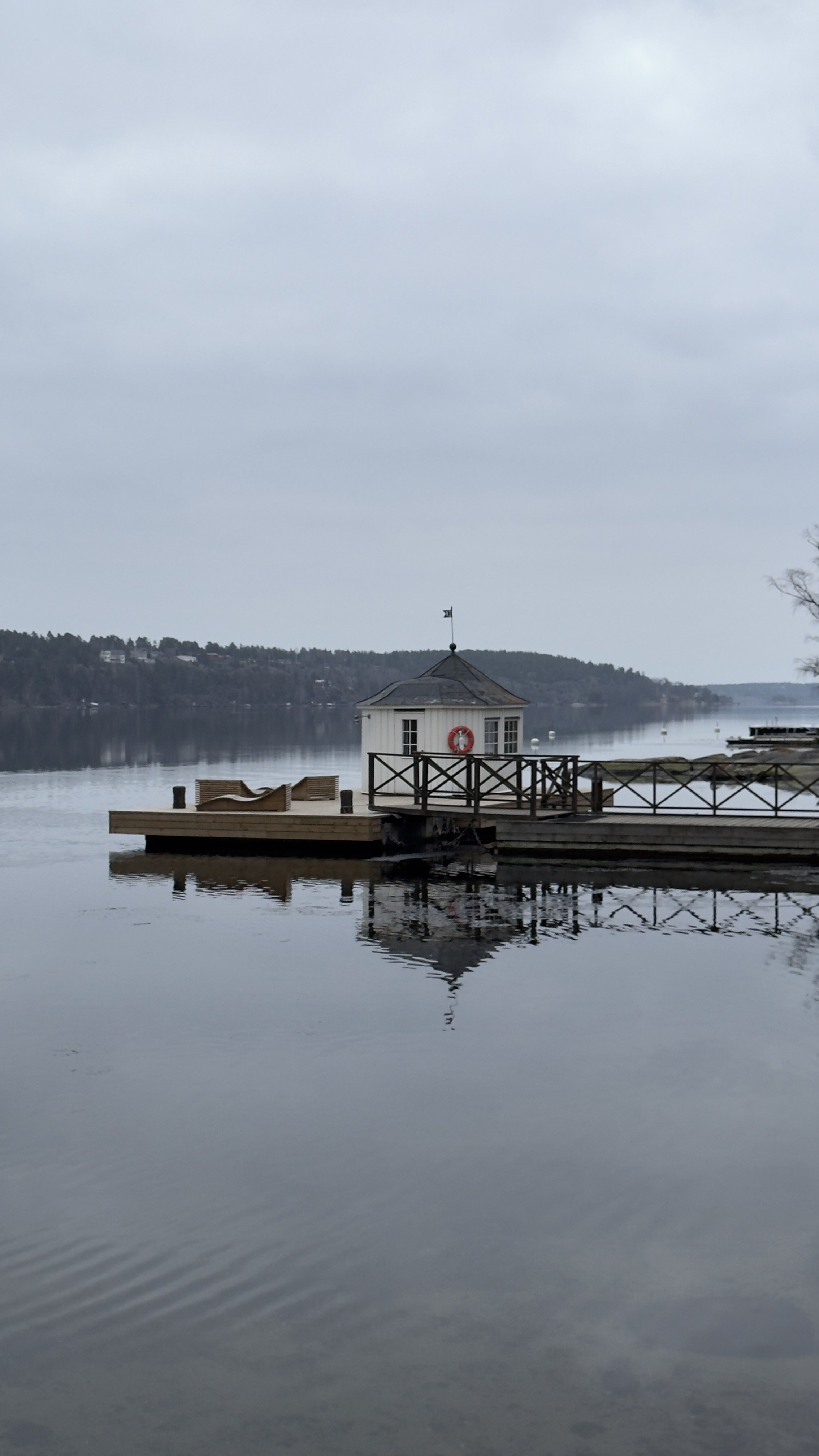
The facilities were incredible. Clean, calm, and beautifully maintained. We changed and made our way into a sauna overlooking the water. Just outside, a narrow, stony path led down to a floating pontoon resting on the icy surface.
After warming up, it wasn’t long before we were heading down, hopping barefoot along the freezing and sharp stones, wrapped only in swimwear and robes. Even the wood of the pontoon beneath our feet was enough to send a chill through your body.
There was something about the water itself that stopped you in your tracks. It was completely still like glass stretching out between the scattered islands of the archipelago. No waves, no movement, just a quiet, endless calm. The cold seemed to mute everything around it, as if the world had been turned down a notch. Even the air felt softer out there. Standing on the edge, looking out across those grey-blue inlets, there was a real sense of peace, almost hypnotic. It’s strange, really, that something so extreme and unforgiving could feel so calm at the same time.
The First Step Into Ice
To my surprise, Annie was the one who went first, and yes, I’m still not proud of that. Her reaction was instant and unforgettable. The water was around 1°C - just above freezing. For context, seawater can drop to about -2°C before it turns to ice, because of its salt content. Either way, it’s brutally cold.
When I finally got in, the shock was immediate. It quite literally takes your breath away. Your body kicks into what’s known as the cold shock response which consists of rapid breathing, a racing heart, and a surge of adrenaline. The key is to stay calm, control your breathing, and let your body adjust.
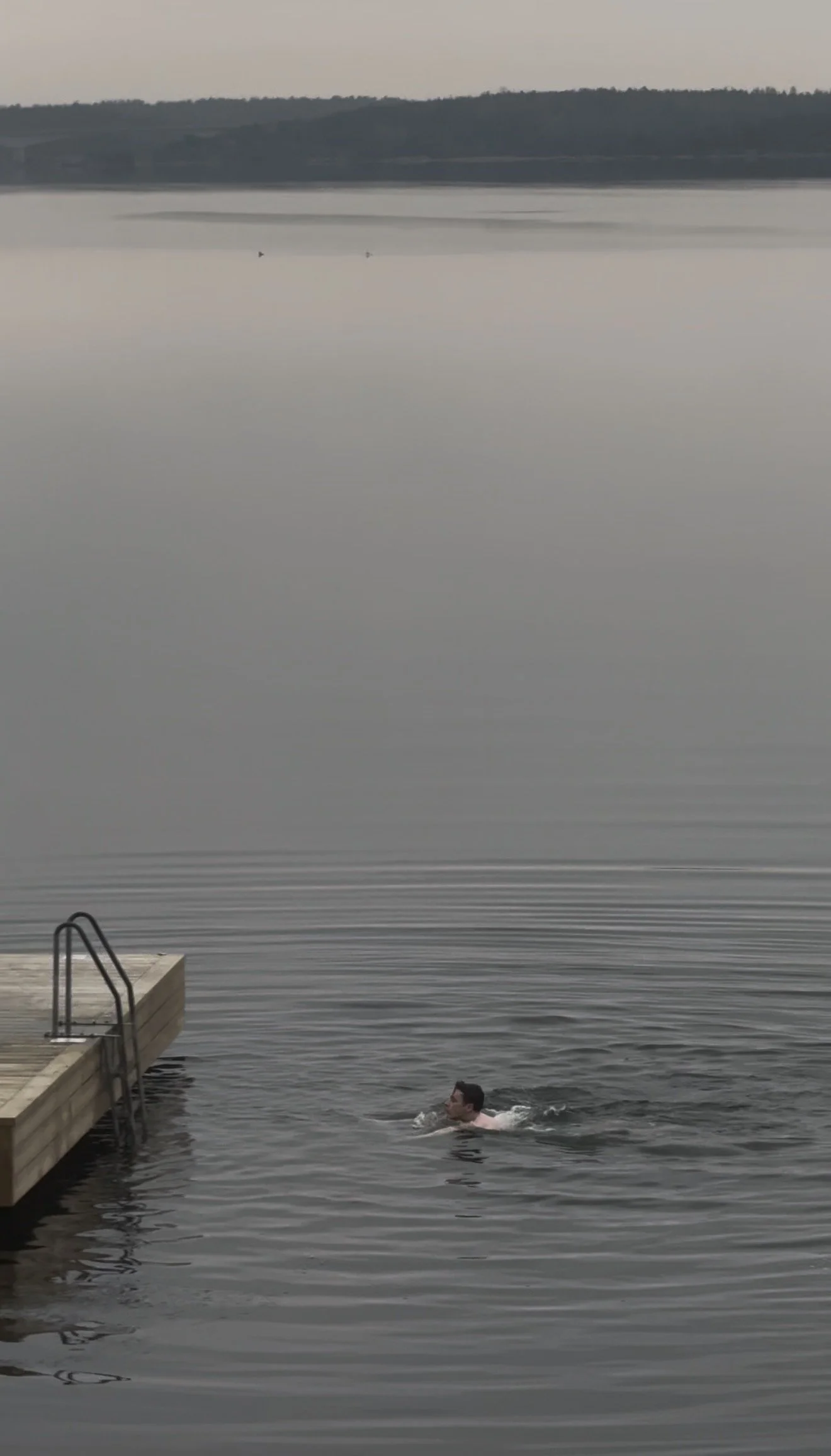
If you can do that, something shifts. The cold stops feeling like pain and starts to feel… energising. Alive. There’s a reason people swear by it. Regular cold exposure has been linked to improved circulation, reduced muscle soreness, and even better mood regulation.
You can’t stay in long, just a minute or two is more than enough. After each plunge, we’d head straight back into the sauna, letting the heat slowly bring us back.
Sauna. Plunge. Repeat.
I think I repeated the cycle four or five times, and each time it felt just as intense, but also strangely addictive. It becomes a rhythm: heat, cold, recovery again and again.
At one point, Annie was watching from the sauna window as a couple stood nervously by the water’s edge. Having already done it a few times, I walked straight past them and jumped in again. That seemed to be all the encouragement the guy needed as he followed straight after, clearly not wanting to be outdone in front of his girlfriend.
It’s funny how something like that works. Sometimes you just need to see someone else do it first.
What an experience. One I’ll never forget. Would I do it again? Absolutely.
On my final plunge, I went all in and swam a few strokes with my body completely submerged under the water. The sensation was something else entirely. A sharp, almost overwhelming “brain freeze” that felt like it stopped me in my tracks. It was intense, borderline painful, but also weirdly exhilarating.
Why We Chase the Uncomfortable
And I think that’s exactly the point.
Moments like this when you step outside your comfort zone, when you do something that feels a little extreme, those are the ones that stay with you. They cut through the noise of everyday travel and turn into something you actually remember.
For me, that’s what getting off the tourist path is all about.