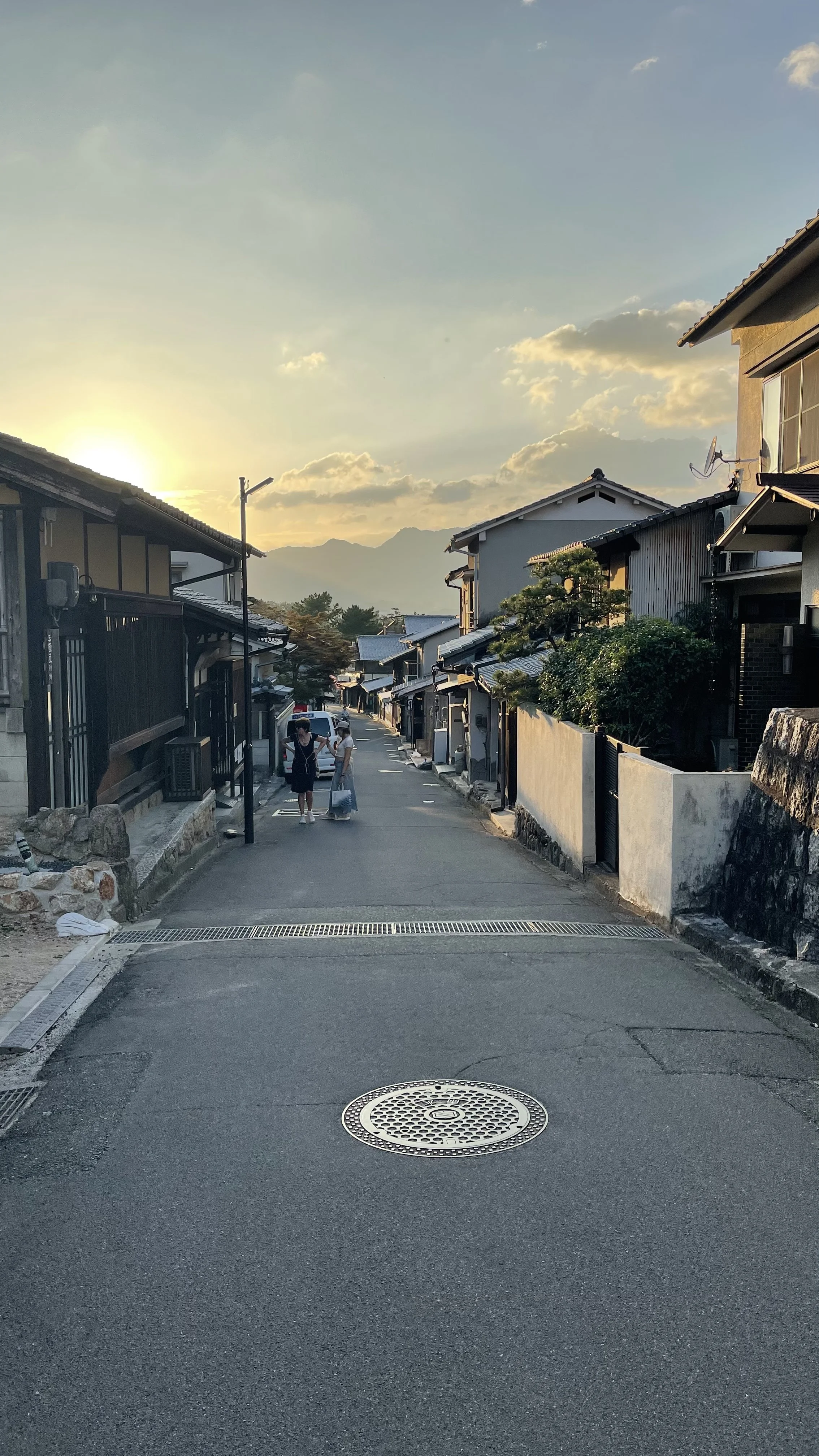
Why Japan Belongs on Every Traveller's Bucket List - From Tokyo to Hiroshima
Why Japan Had Always Been on My Travel Bucket List
Japan had long been on my list of places I’d wanted to visit. That feeling only intensified after having the privilege of working with several Japanese colleagues through work, who were on secondment in London. One of them, Naoki, I spoke with regularly, and I was told - quite firmly - that if I ever went to Japan, I had to let him know!
So, the following year, I finally committed. Flights booked. Bags packed. Destination: Tokyo. I always said I wanted to arrive like the little Google Street View man - dragged and dropped straight into the bright lights, no easing in.
Planning a Self-Guided Trip Through Japan
The trip was planned as a journey starting in Tokyo and heading all the way down to Nagasaki in the far south, stopping at various places along the way. Nagasaki was eventually a miss though due to an incoming typhoon, but that wasn’t a huge dealbreaker.
I’ve always been someone who plans trips myself - flights, accommodation, and transport. Not only does it save money, but it gives you flexibility. You’re not tied to a timetable that doesn’t suit you or herded around places at someone else’s pace.
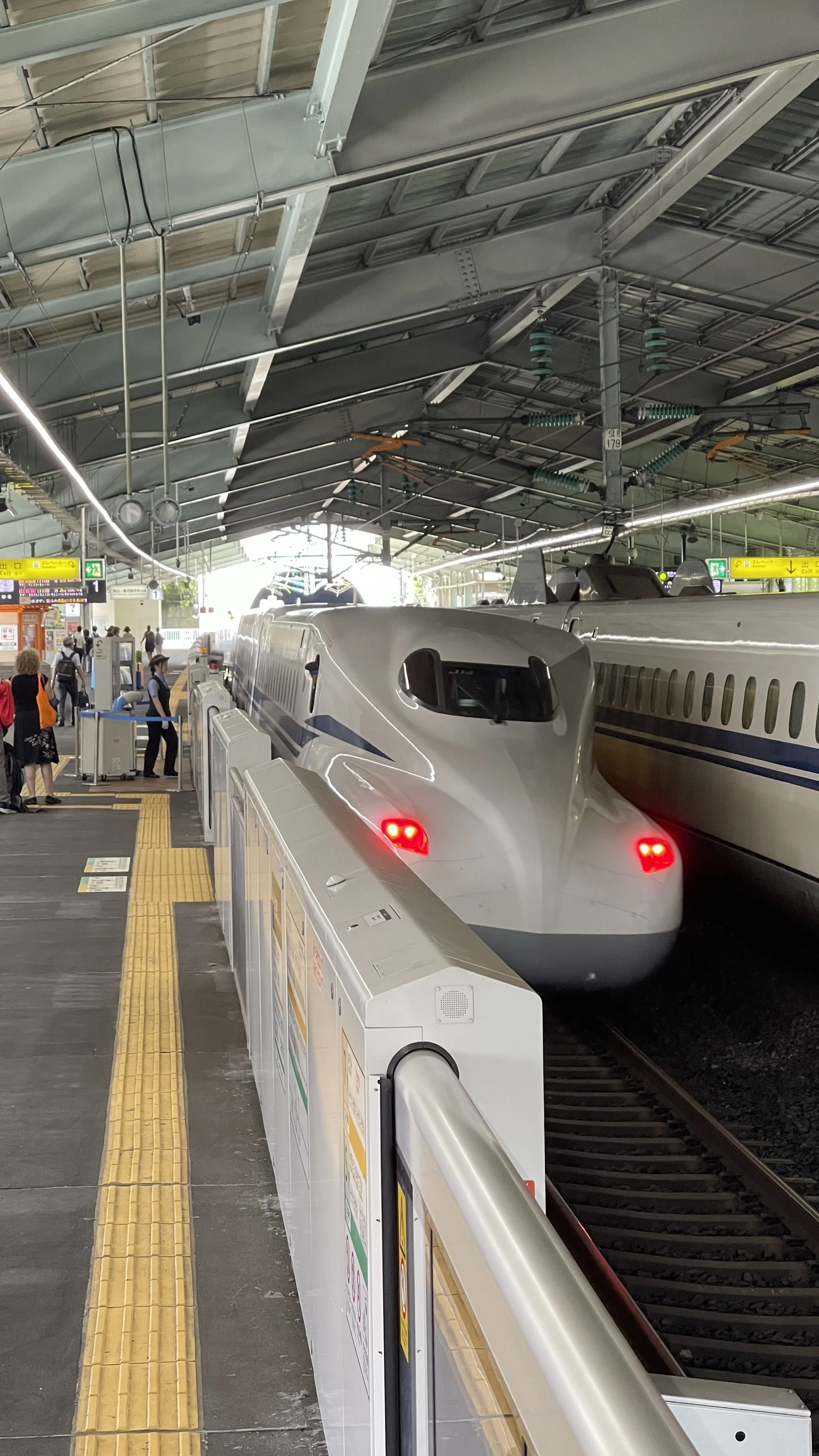
While Japan does have internal flights, when you factor in security, waiting around, and endless airport corridors, it hardly feels efficient. Instead, it was a no brainer to experience the famous Shinkansen (bullet train) one of the most impressive rail systems in the world. It slashes travel times between major cities, all while sitting in comfort; unlike the UK’s bumpy rail networks, where tea ends up on your trousers more often than in your mouth.
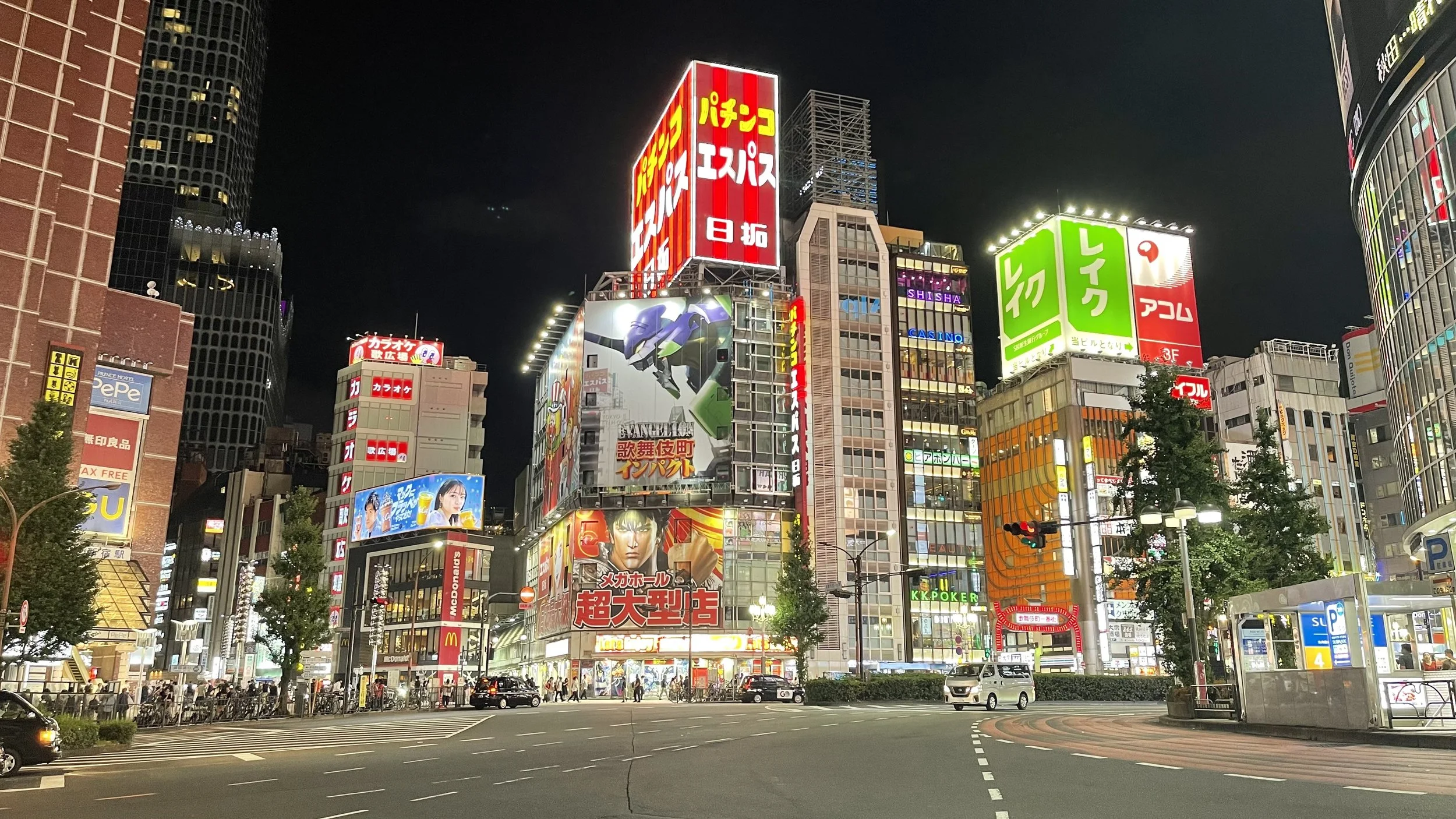
First Impressions of Tokyo – Culture Shock in Neon Lights
Where do I start. I’ve never taken drugs, but I’m fairly sure this is similar to what people feel when they take acid. Tokyo feels like all your senses are buffering at once.
Arriving late and immediately getting on a train going in the wrong direction was our first experience - and, in hindsight, completely inevitable.
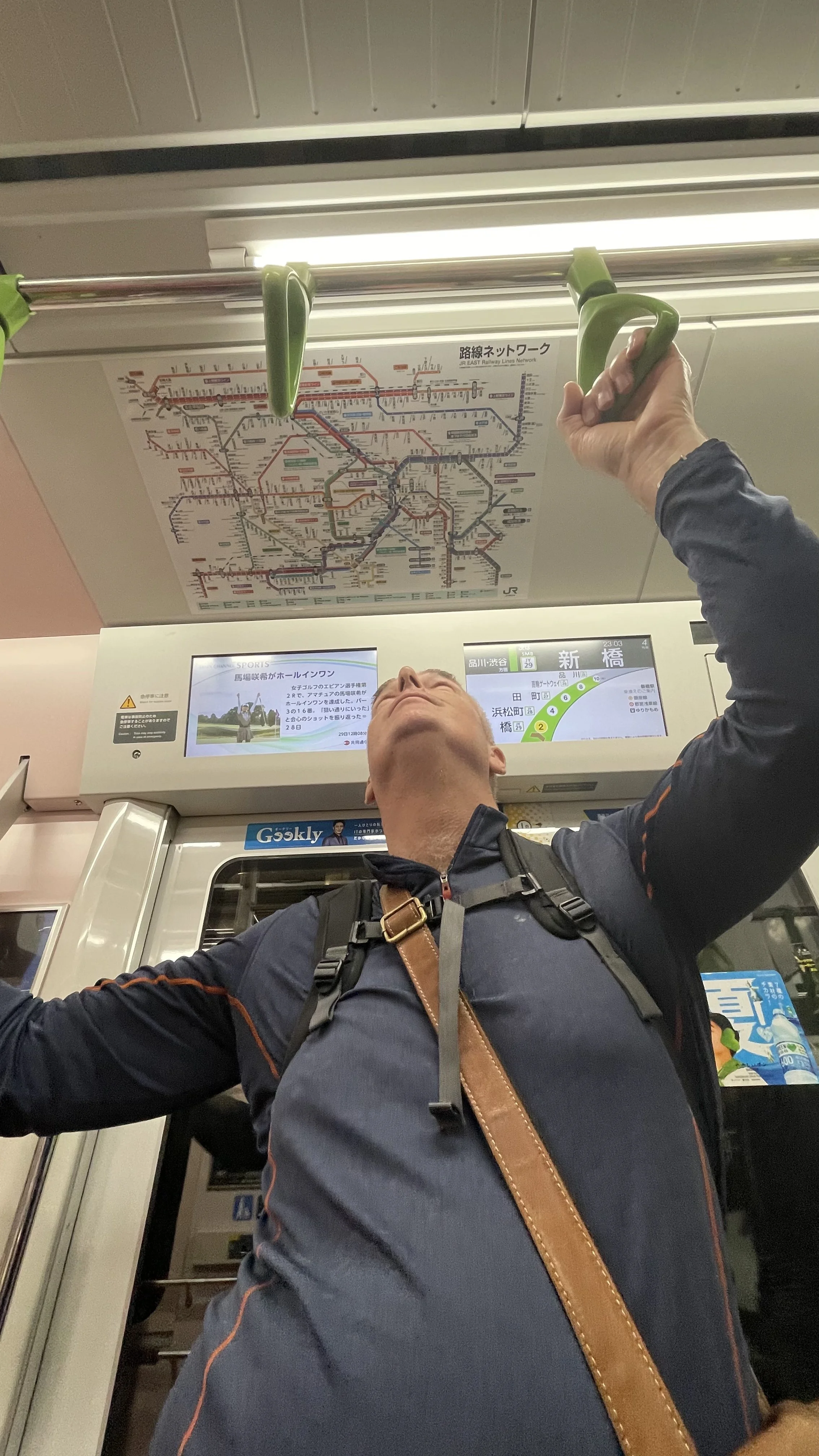
It didn’t ease us in; it dropped us straight in at the deep end. Neon lights flickering overhead, brains foggy with jet lag and disbelief. One minute we were stepping onto the street for the first time, the next we were lost - confidently lost, which is arguably the most dangerous kind.
Within an hour of arrival, Tokyo had already made one thing clear - this city doesn’t wait for you to catch up. You stumble forward, tired and wide-eyed, and somehow it still welcomes you in. Not once did we ever feel unsafe, not even in the middle of the night down a dimly lit alleyway.
Getting Around Japan – JR Rail Pass, Bullet Trains & Travel Tips
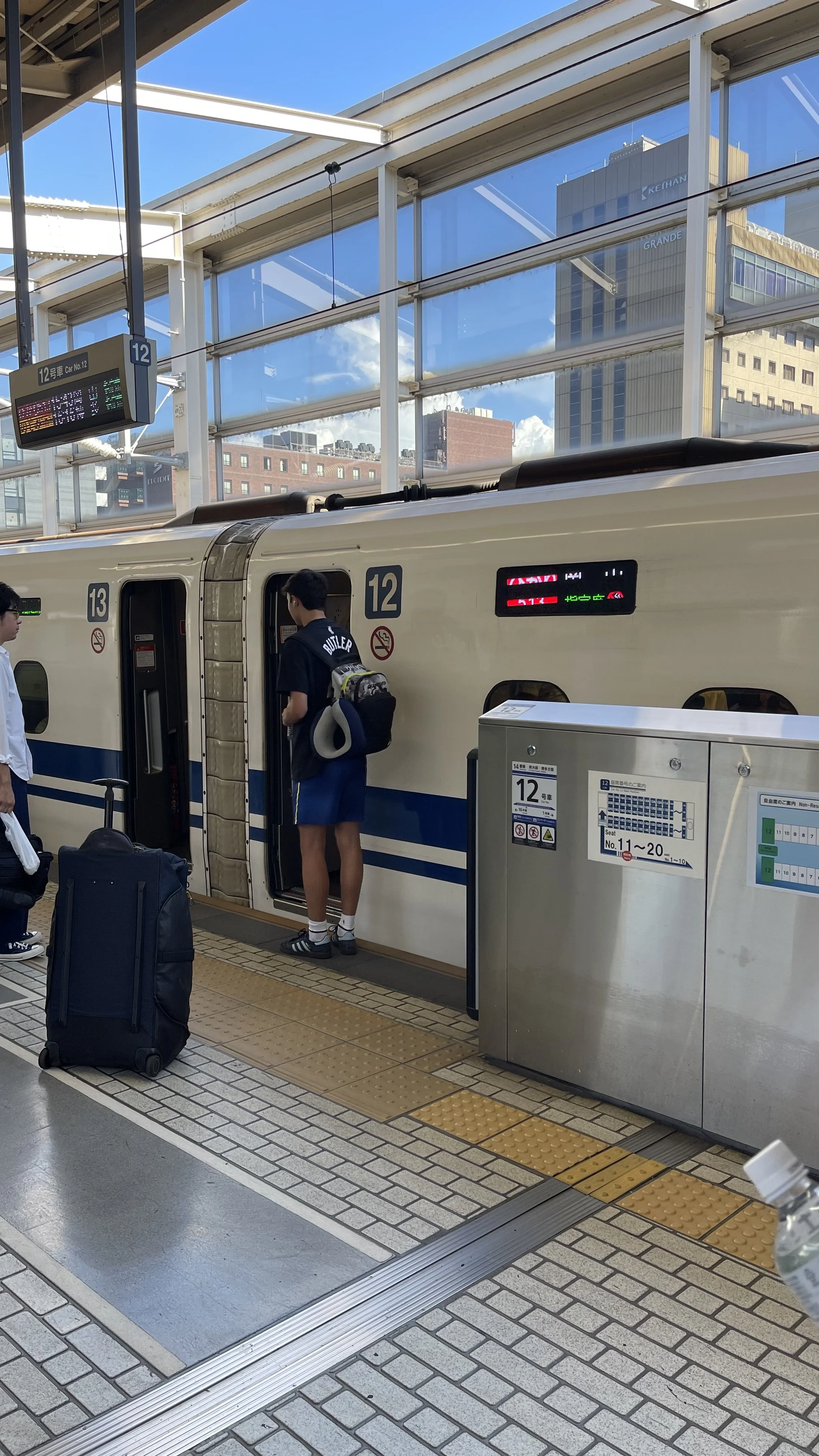
I would strongly recommend the JR Rail Pass. This is what we used, and it proved to be a cost-effective way of navigating Japan and making full use of the Shinkansen over two weeks. It covers you for most services and trains, and we found it relatively easy to get used to.
At the time of writing:
7-day JR Pass: £248
14-day JR Pass: £396
Seat reservations aren’t mandatory but are highly recommended for others and as we found, especially on busy routes. Reservations are free with the pass and can be made at kiosks or ticket offices in major stations.
Essential Travel Tips for First-Time Visitors to Japan
Use luggage forwarding services (Takkyubin): Send your suitcase ahead and travel light.
Carry cash: Many small restaurants and bars are cash only.
Expect big stations: Major stations are massive, so give yourself time.
Be quiet on public transport: Phones on silent, conversations low.
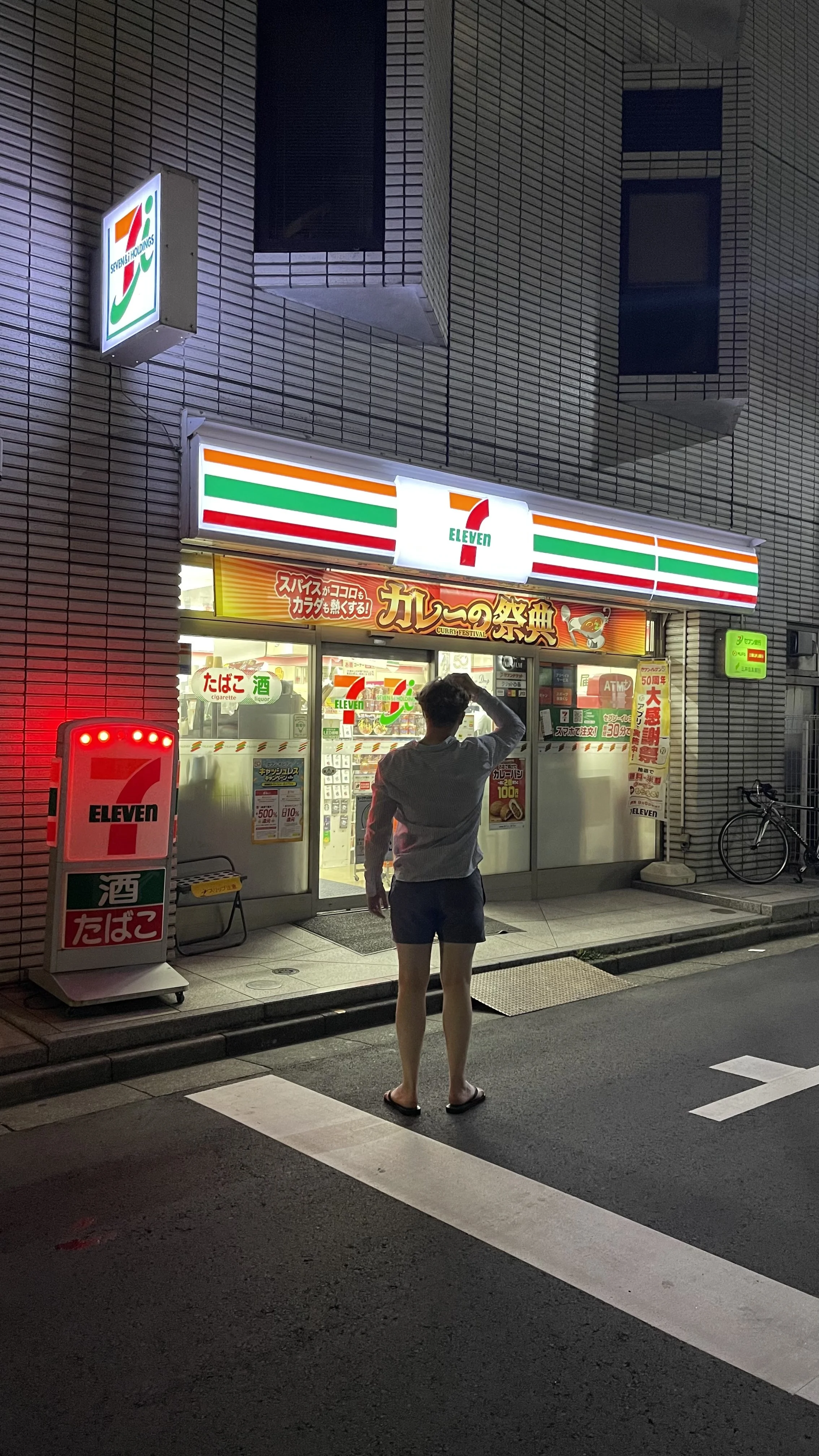
Don’t underestimate convenience stores: 7-Eleven, Lawson, and FamilyMart are genuinely excellent.
Best Places to Eat in Tokyo – Discovering Omoide Yokocho
As a keen photographer, I wanted to find places with character - where locals actually eat. One name kept appearing in my search for great eateries: Omoide Yokocho, also known as Piss Alley, but don’t let that nickname put you off.
Located near Shinjuku Station, Omoide Yokocho is a narrow network of tiny bars and eateries, many seating fewer than ten people. Dating back to post-World War II, the area originally housed black-market food stalls and has changed very little since.
Locals and businessmen still in suits after work, squeeze shoulder-to-shoulder into these tight spaces, unwinding over endless sake and grilled skewers. The atmosphere is smoky, loud, and unapologetically authentic. We wanted to try them all, but how could you? Certainly not on our schedule.
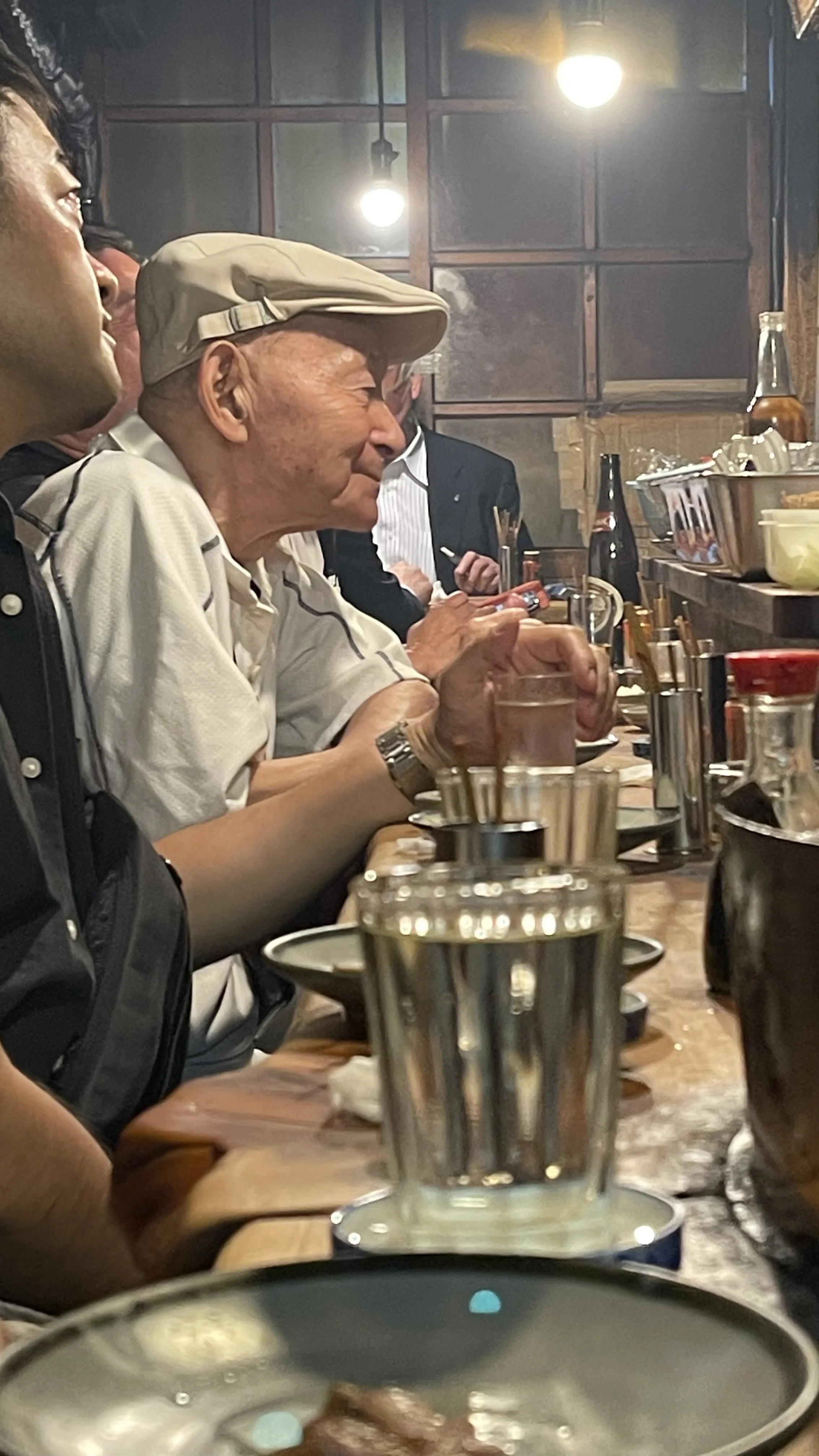
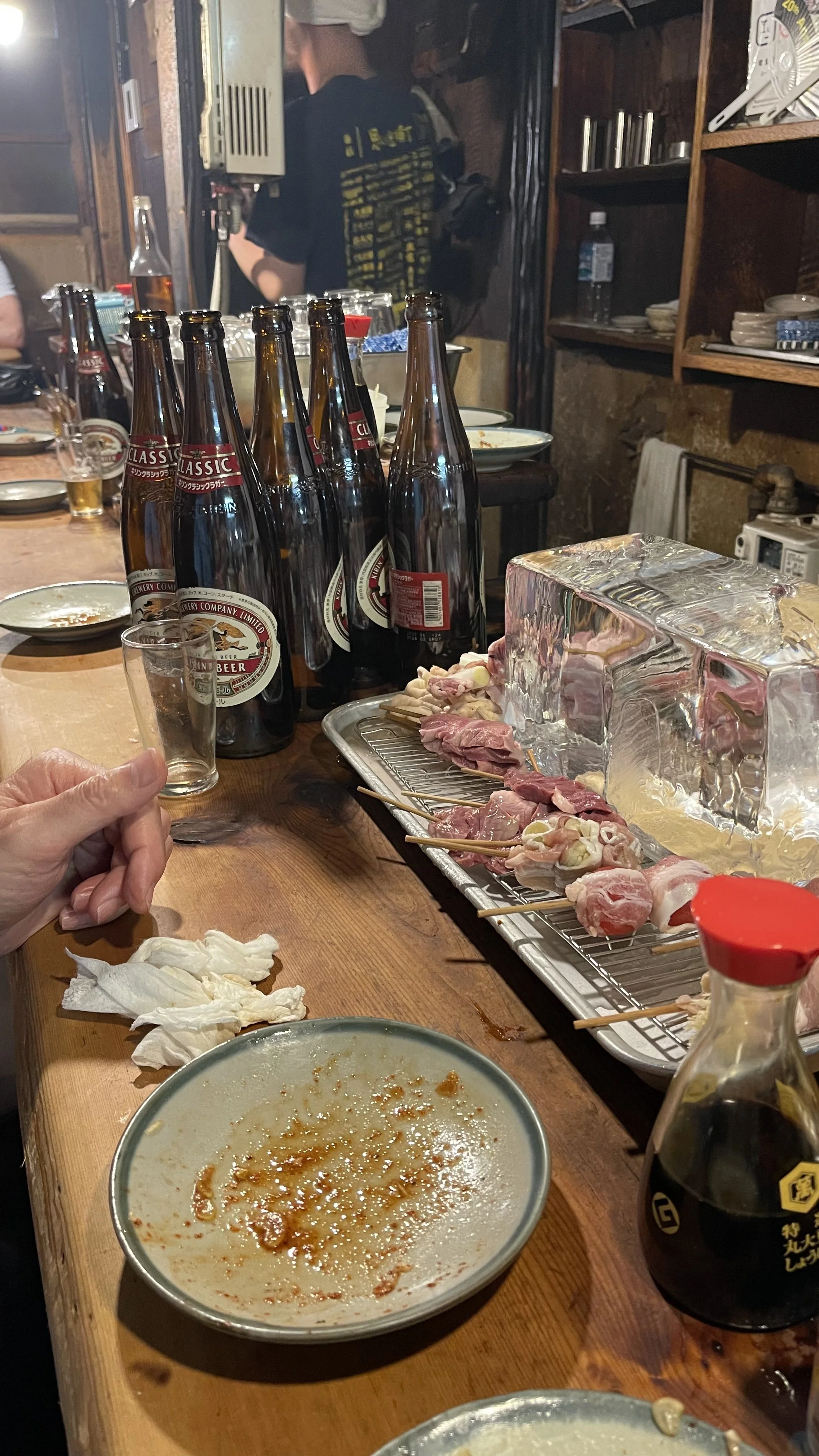
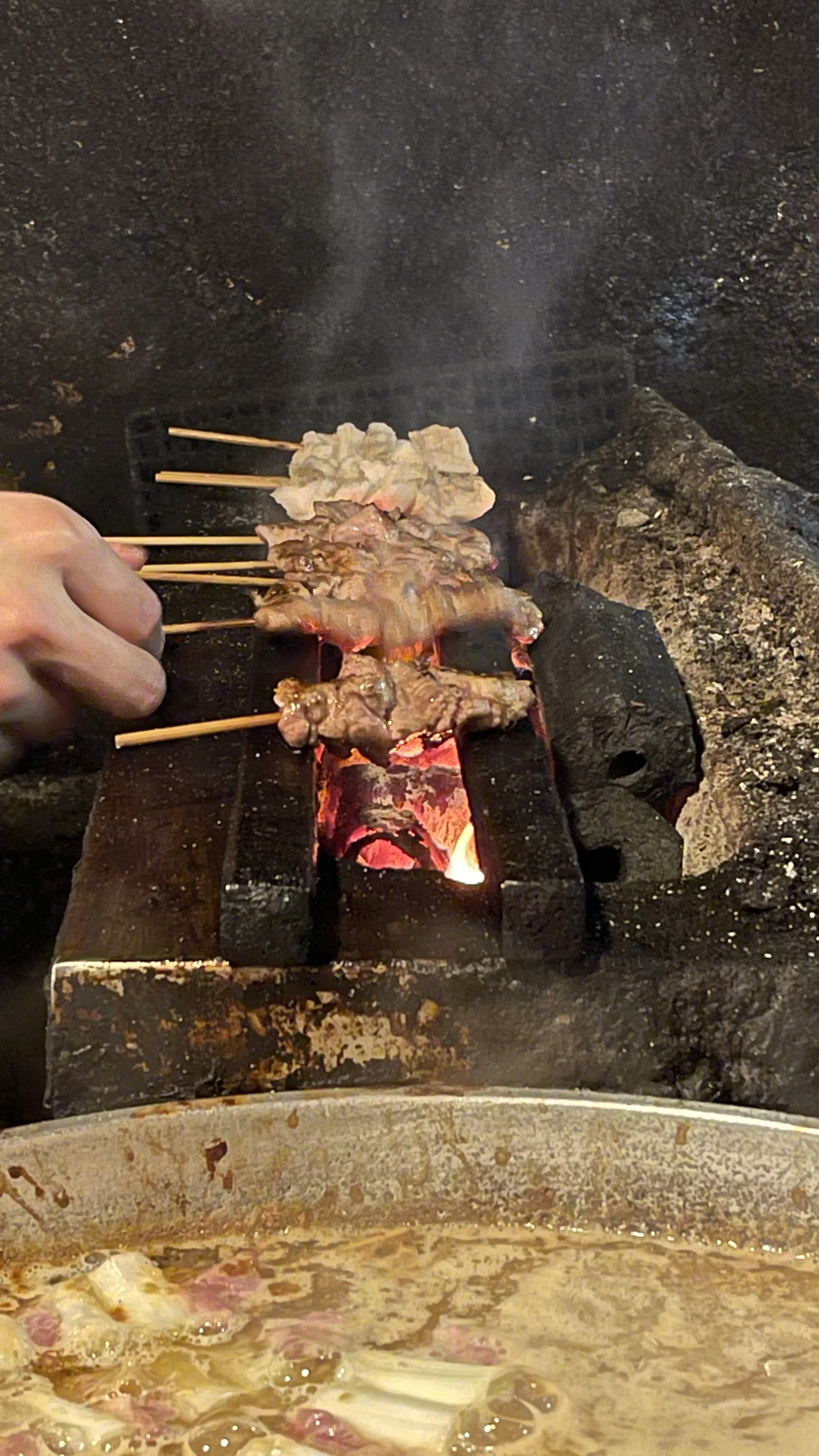
We found a gem - cash only, walls stained with decades of grease, serving skewers grilled over open flame and dishes ladled from a broth that had clearly been bubbling away for years. When you’re done, the chef simply counts the skewers and beer bottles and gives you a total. Im still not sure this place even has a name, or exists on google. But from the images i’ve displayed, you may just be able to find it.
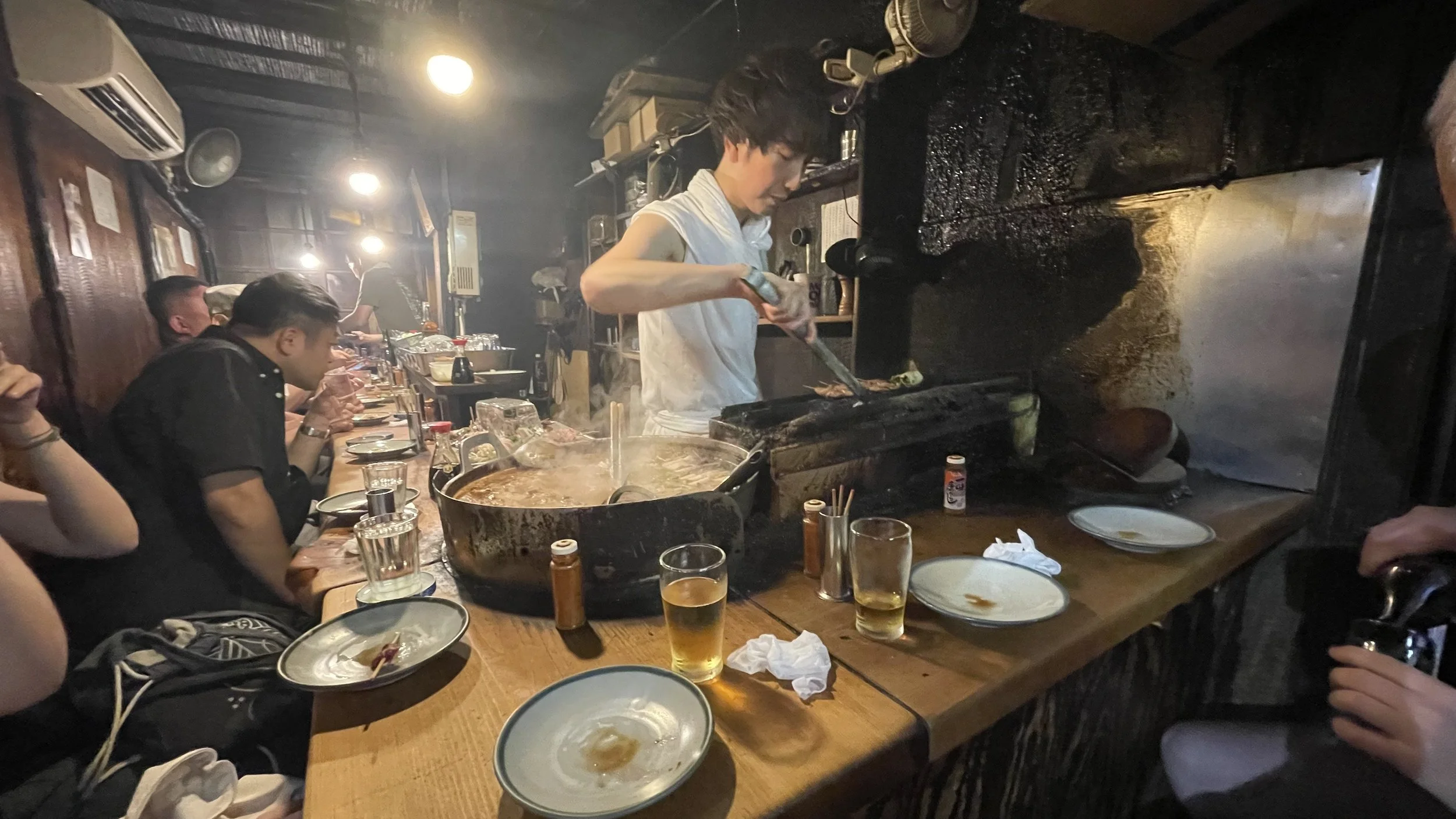
If you’re brave, you may be offered cuts of meat you won’t find on a UK menu. After being asked if we trusted the chef, we worked our way from familiar meats and veg, to liver, heart, and eventually things that earned some very questionable facial expressions, accompanied by collective laughs from either side. Only afterwards were we told what they were - first came dadda and then mamma. Penis and uterus for those still unsure. Proof that nothing goes to waste here.
Eating with Locals – Karaoke, Sake & Questionable Dishes
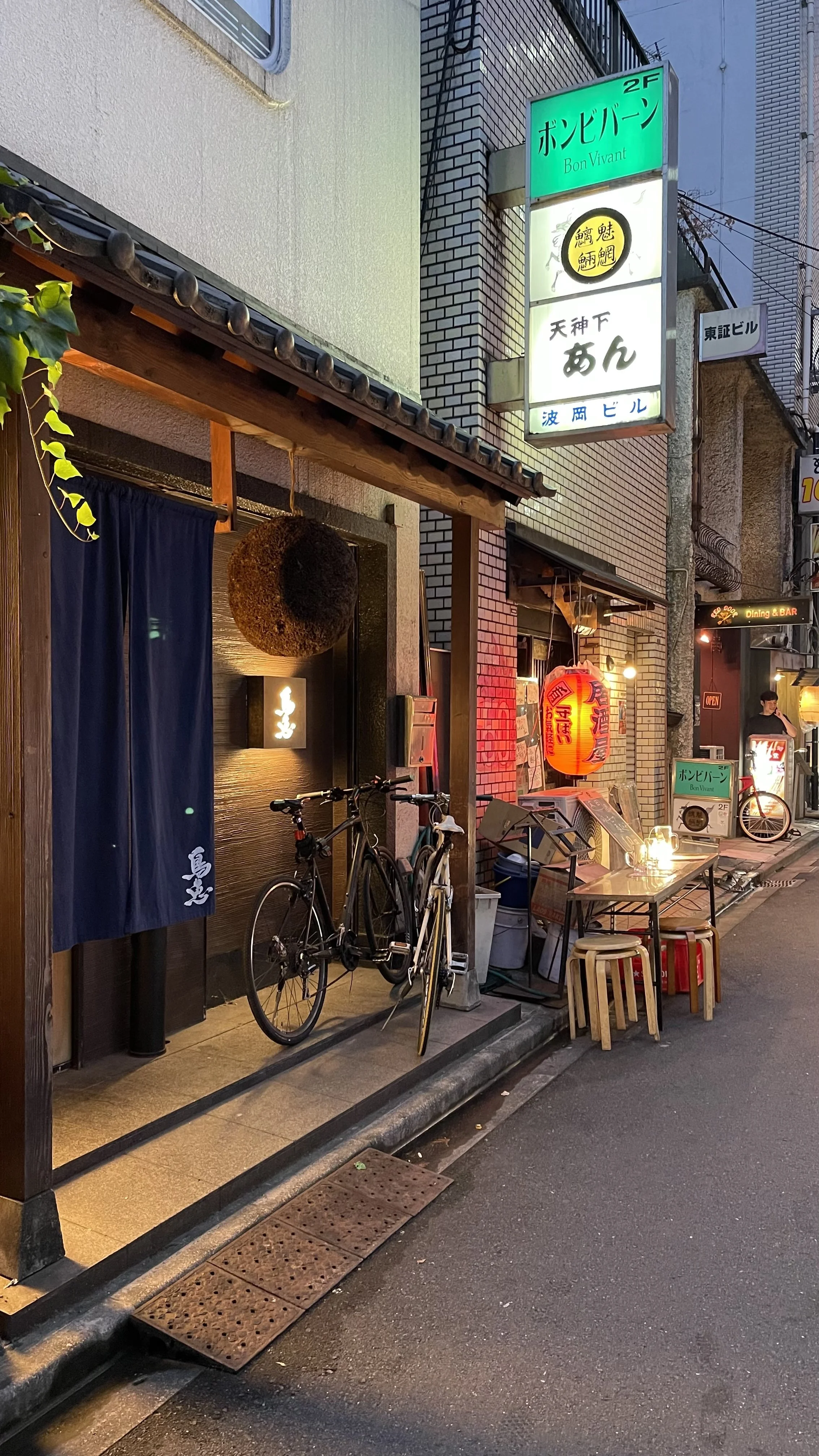
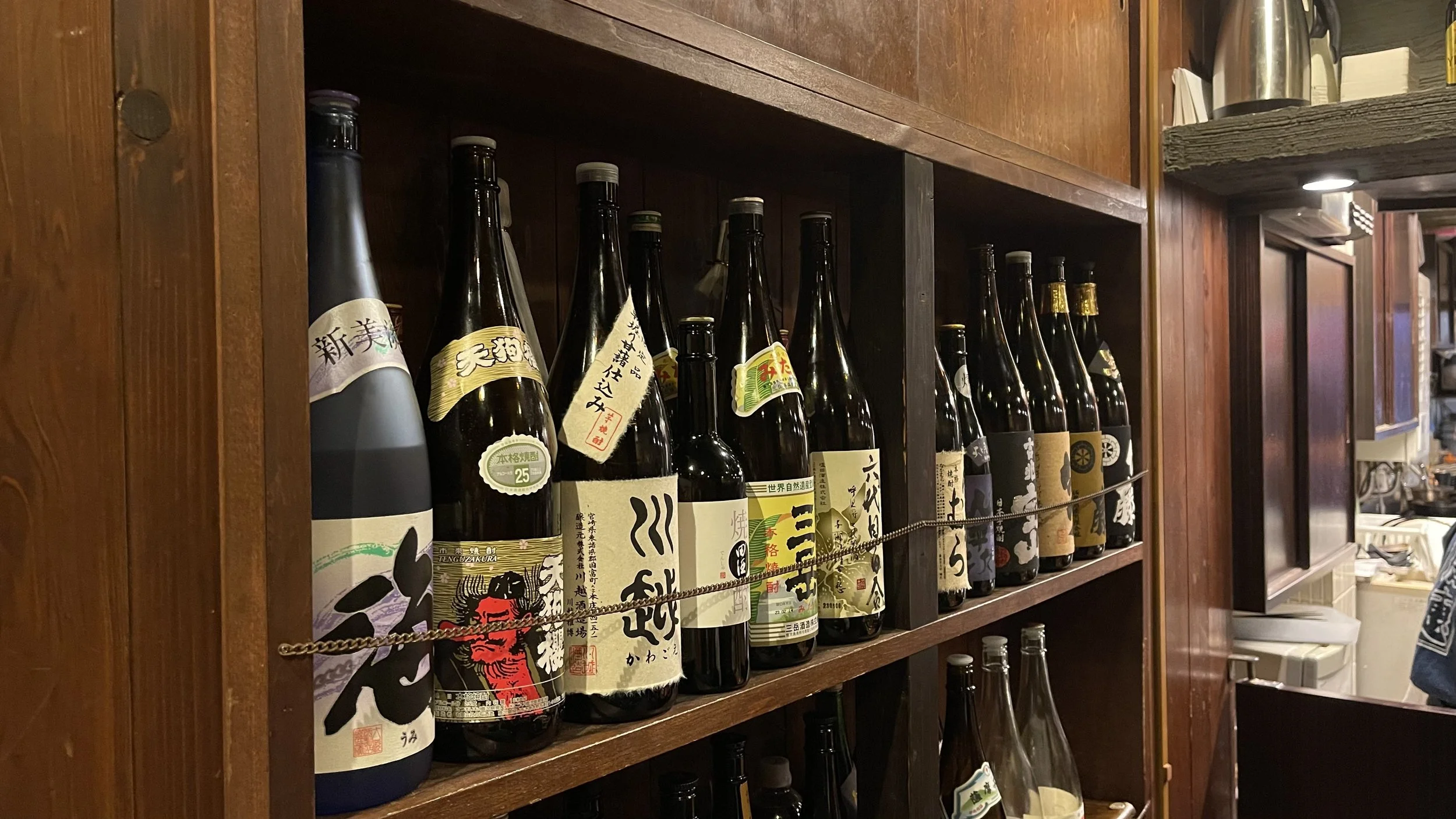
Another memorable meal came at the recommendation of my friend Naoki. We met up for food at a place called Torie-Yushima (鳥恵 湯島) pictured below, and then headed several floors up into what appeared to be a completely random building for karaoke.
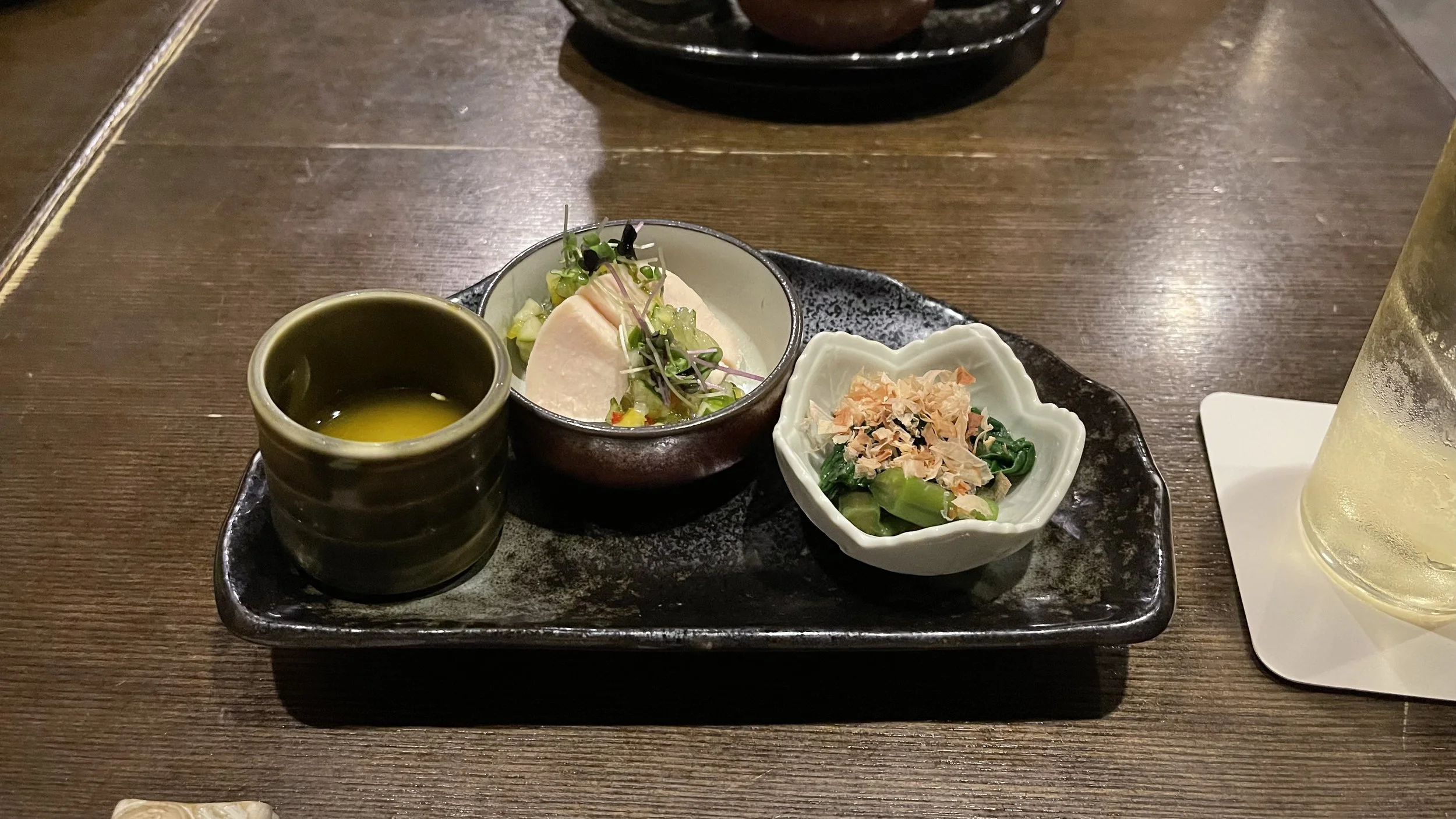
Some dishes were unfamiliar but delicious, others genuinely challenging. One in particular which turned out to be cartilage stood out for me. Not wanting to insult anyone, I finished mine… and then my brother’s too. A proud moment, if slightly confusing.
There was a large array of different Sake to choose from here. We tried a few, each offering its own unique flavor profile shaped by centuries of Japanese tradition. Sake, or nihonshu, is brewed from polished rice, water, yeast, and kōji mold, and its taste can range from light and dry to rich and slightly sweet. Often enjoyed during meals or special occasions, it reflects the region and craftsmanship of the brewery, making each cup a small insight into Japanese culture and hospitality.
A hidden local spot for world-class whiskey and unforgettable nights
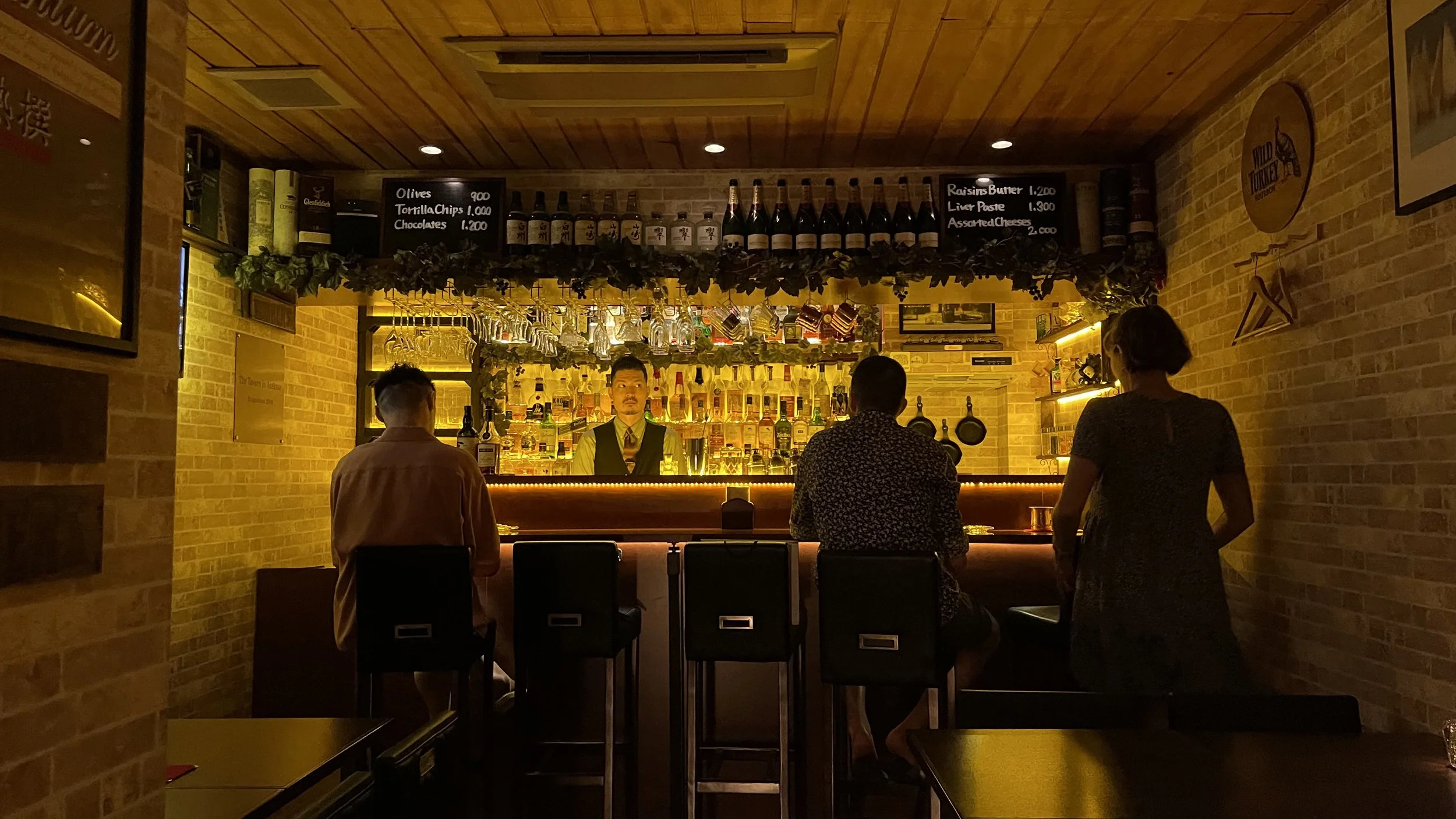
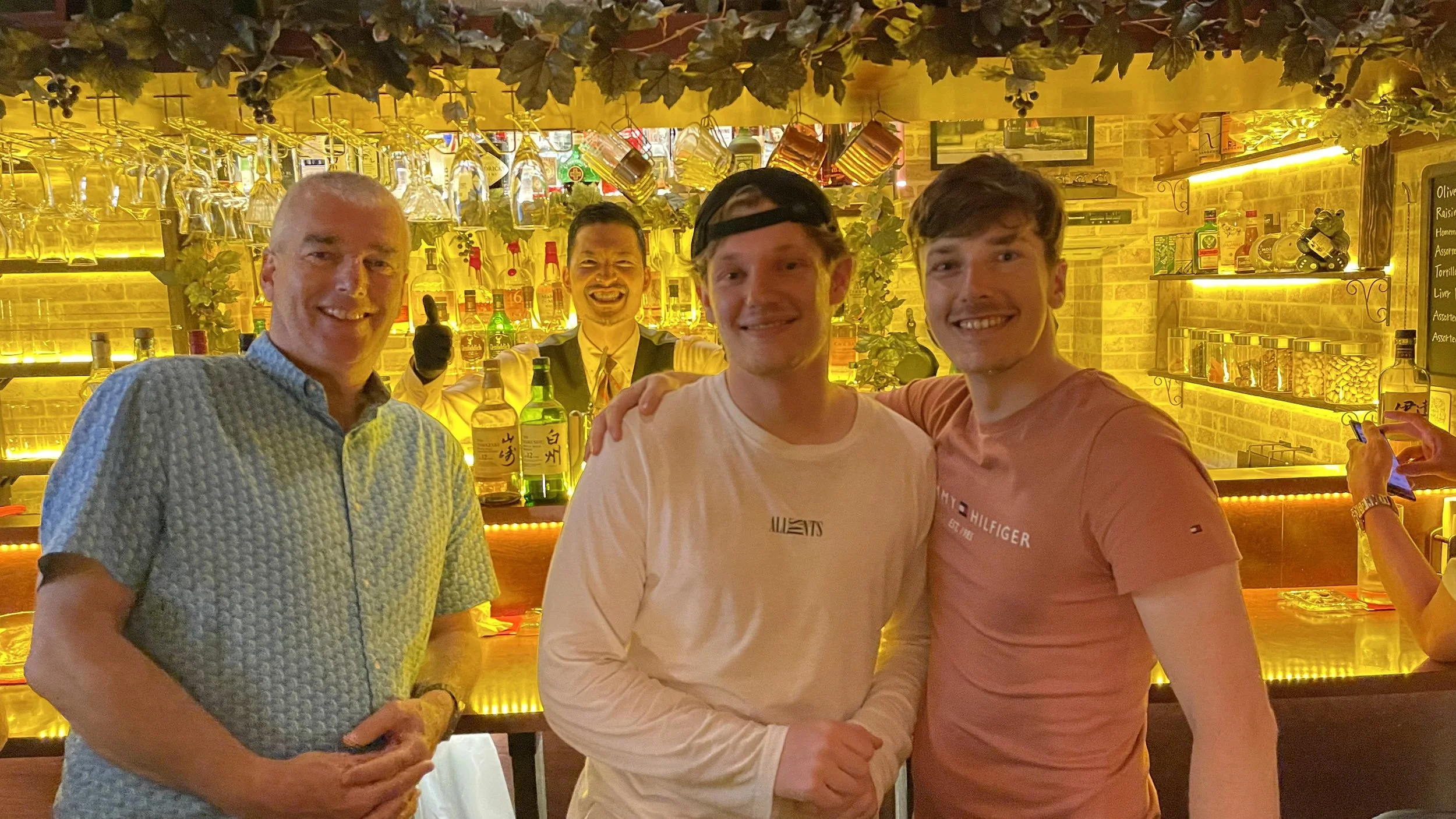
Whiskey in Tokyo has a way of leading you to unexpected places, and The Tavern in Asakusa is one of those rare finds that stays with you long after the last glass. Run by Crazy Bartender Ken, a host who could not have been more welcoming. This bar quickly reveals that its English name is something of a red herring - this is a great spot that’s also a hit with the locals. We were given a rough idea of closing time, only to discover that this was exactly when the regulars began to drift in. Hours slipped by unnoticed; we didn’t leave until close to 3 a.m if I remember, stepping outside and into a superstore with all things weird and quirky. Every floor we went up offered another large array of interesting items not found at home. Just as dawn began to break as we looked through a window, it’s safe to say my dad enjoyed a proper bender. The whiskey selection is superb, and Ken’s knowledge and quiet artistry shine through in every pour, thoughtfully presenting each bottle so you can take in exactly what you’re drinking.
Respect as a Way of Life
Respect in Japan isn’t announced or explained - it’s simply understood. It doesn’t matter whether you’re a shopkeeper, a train driver, or a businessman in a perfectly pressed suit; everyone treats one another with the same quiet consideration. Bowing is part of it, of course, but it goes deeper than a gesture. It’s a subtle acknowledgement that the person in front of you matters. You see it in the way people queue without being told, in the absence of raised voices, in how apologies are offered freely - even when no apology feels necessary.
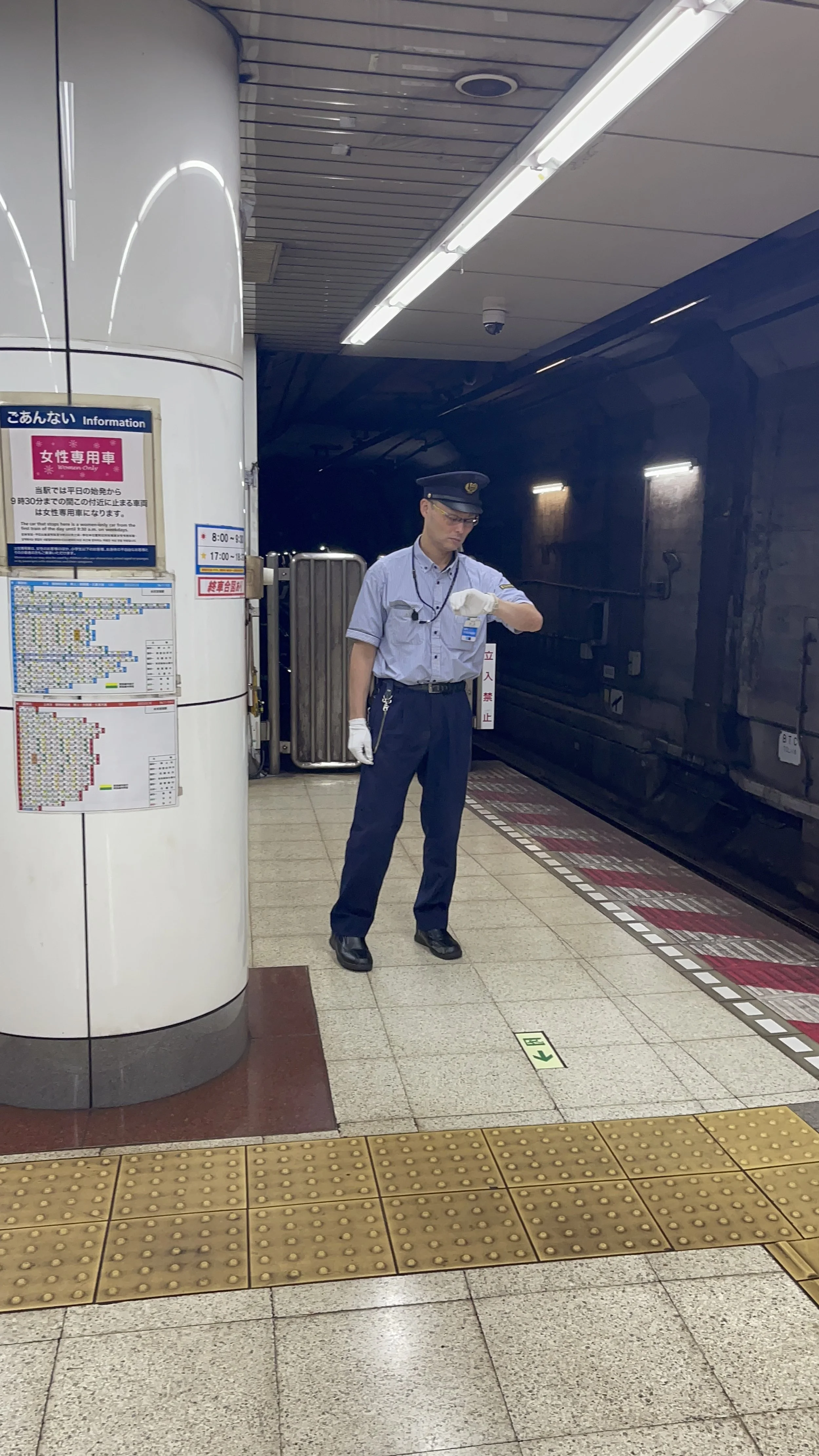
What really stood out for me, though, was the rail staff. Train drivers and guards go through a precise routine of hand signals, time checks, and verbal confirmations - pointing, checking, repeating everything back to themselves before a train moves an inch. It’s methodical, almost ceremonial, and completely fascinating to watch. I’ve never seen anything like it. There’s no rush, no shortcuts - just a shared responsibility to get things right.
What makes it so striking is how natural it all feels. Respect isn’t earned through status or job titles - it’s the default setting. After a while, it changes you. You lower your voice, become more patient, more aware of the space you take up. Not because anyone tells you to, but because in a place like this, anything else would feel out of step.
Respect is often shown through quiet consideration for others and shared public spaces too. Even though public bins are rare, people typically take their rubbish home rather than leave it behind, reflecting a strong sense of personal responsibility. Similarly, eating while walking is generally avoided, as it’s seen as untidy and distracting in communal areas. These small, everyday behaviours highlight a deeper cultural value acting in ways that minimise inconvenience to others and help maintain harmony in public life.
Top 5 Must-Visit Places in Japan for First-Time Travellers
How do you pick a top five in a country like Japan? You can’t - really. But if I had to recommend five places for a first-time visit, this would be my list.
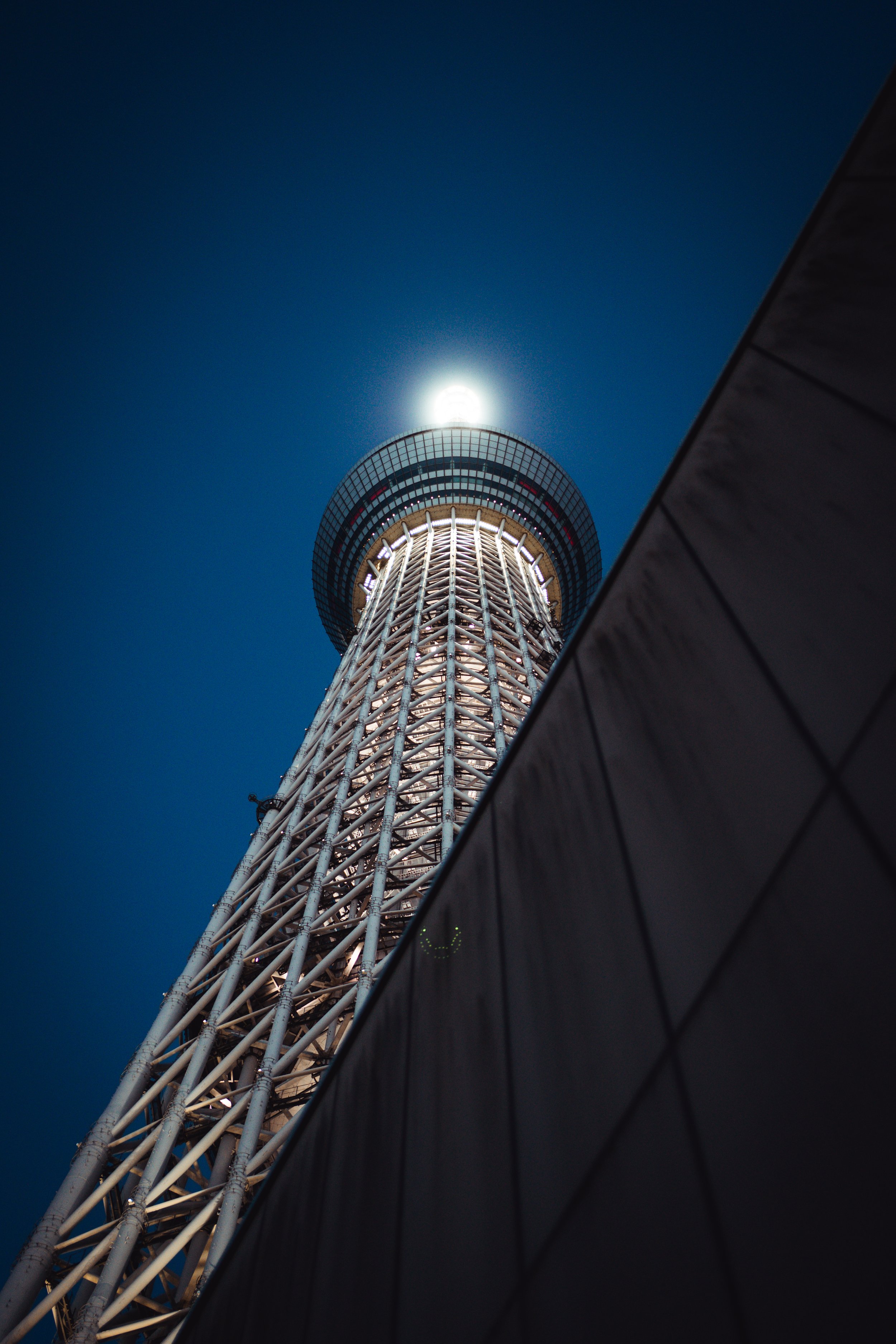
1. Tokyo Skytree – The Best View of Tokyo
Standing proudly at 634 meters, Tokyo Skytree is the tallest structure in Japan and the ultimate place to appreciate just how enormous Tokyo really is. On a clear day, you can see all the way to Mount Fuji - which feels like a bonus level unlocked. At night, the city lights stretch endlessly in every direction, turning Tokyo into a glittering sea of neon.
Helpful tips:
Go just before sunset to catch daylight, sunset, and nighttime views in one visit.
Book tickets in advance to avoid long lines.
There’s a huge shopping and dining complex at the base, so come hungry.
2. Mount Fuji – Japan’s Most Iconic Landmark
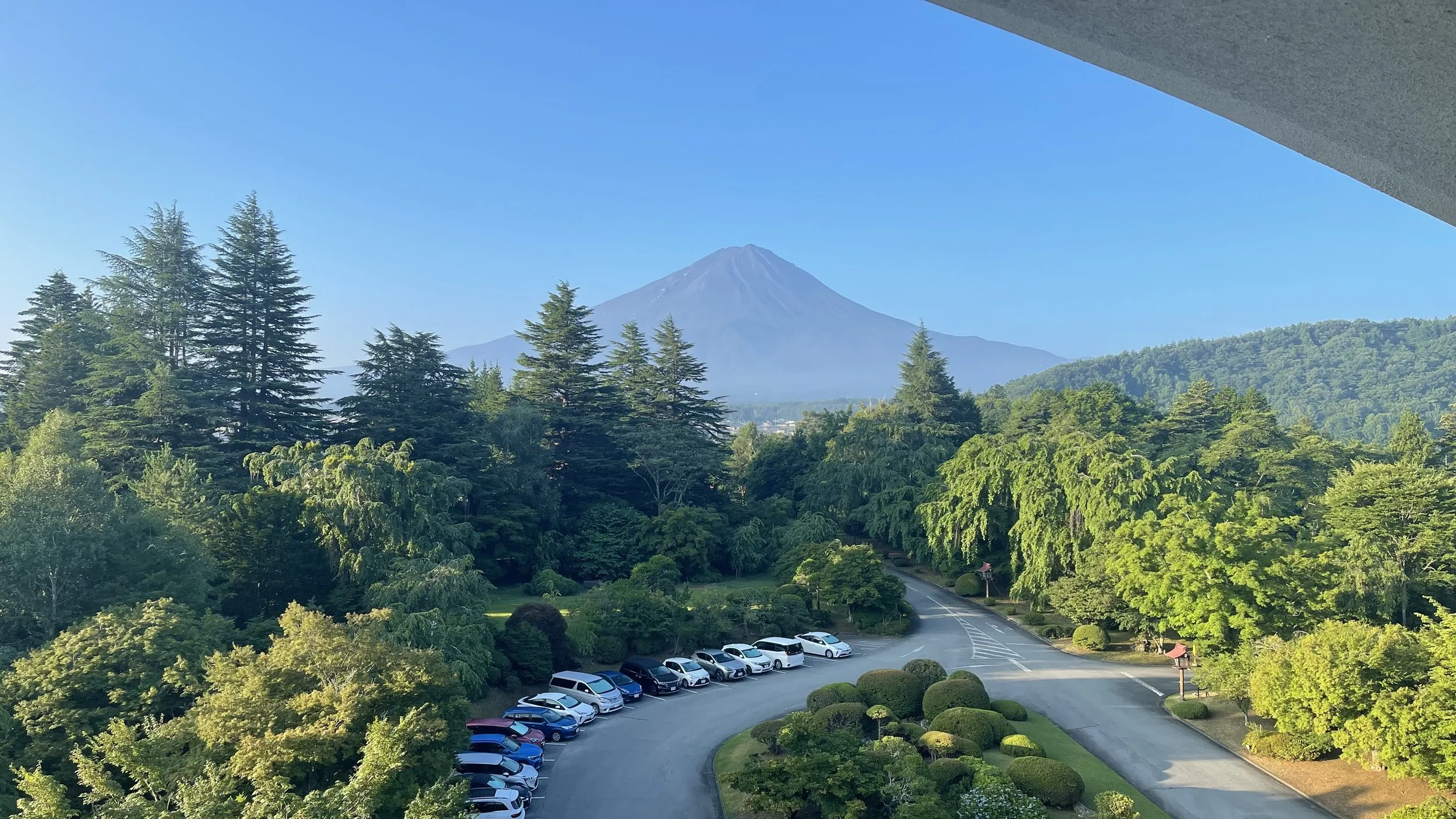
Mount Fuji isn’t just a mountain - it’s the mountain. Perfectly symmetrical and quietly powerful, it has a presence that photos never quite do justice. Even from afar, spotting Fuji on the horizon feels special, like the landscape is politely showing off. We stayed in a small town north of the mountain with panoramic views of the landscape. Sadly no snow capped peak, but still beautiful nonetheless.
Helpful tips:
Best visibility is early morning and during cooler months (late autumn to early spring).
You don’t have to climb it to enjoy it - places like Lake Kawaguchi offer stunning views without the effort.
If you do plan to climb, the official season is July to early September.
3. Kyoto & Nara – Traditional Japan at Its Best
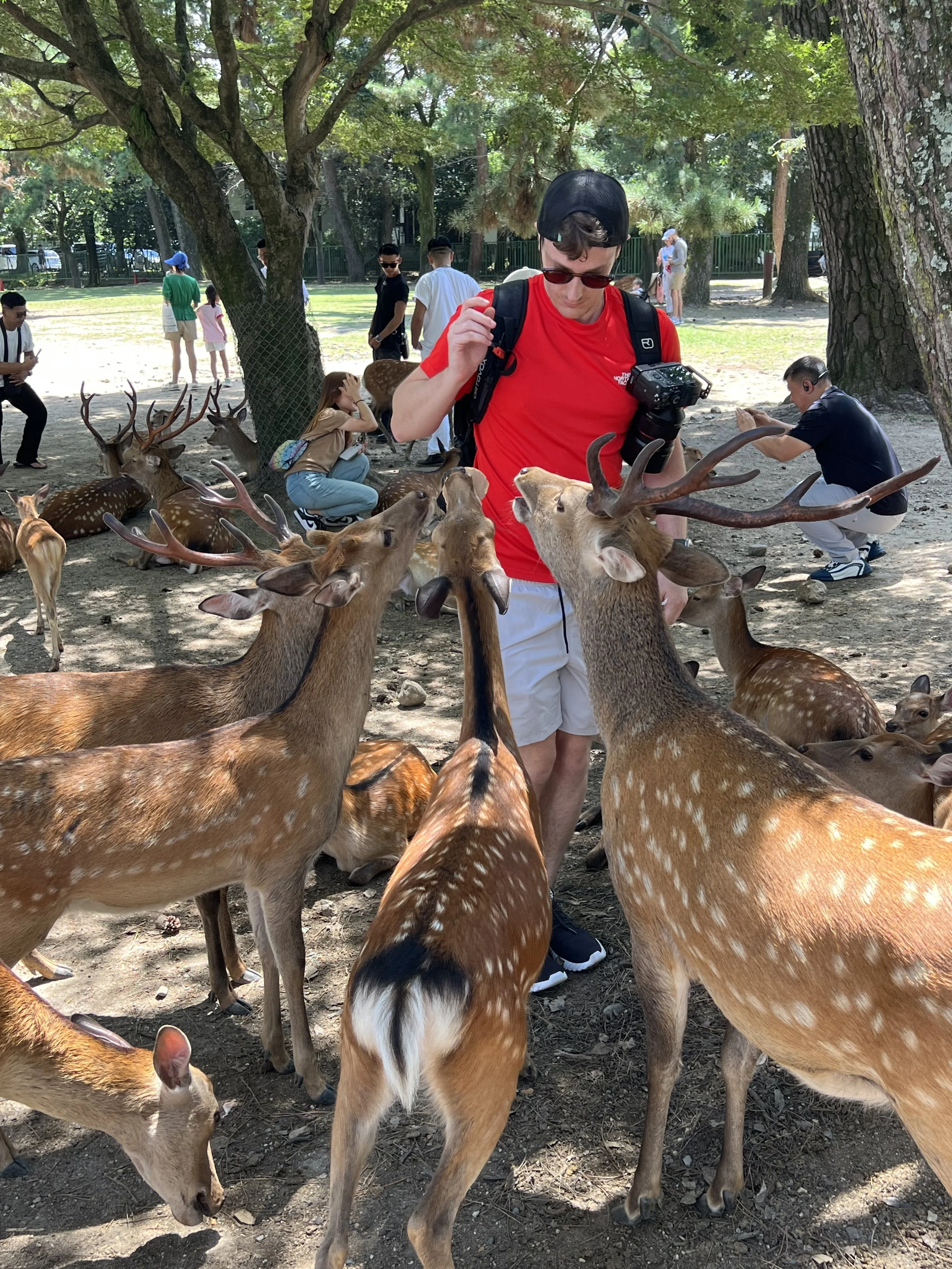
Kyoto is where Japan’s past feels beautifully alive. With its golden temples, peaceful gardens, bamboo forests, and geisha districts, it’s a place where every corner seems postcard-ready. Just nearby, Nara offers a calmer, smaller-scale experience - complete with friendly (and occasionally cheeky) deer that bow… sometimes for snacks.
Helpful tips:
Rent a bicycle in Kyoto to explore at your own pace.
Visit popular temples early in the morning to beat the crowds.
In Nara, keep food secure unless you want to be politely mugged by deer.
4. Hiroshima – History, Reflection & Resilience
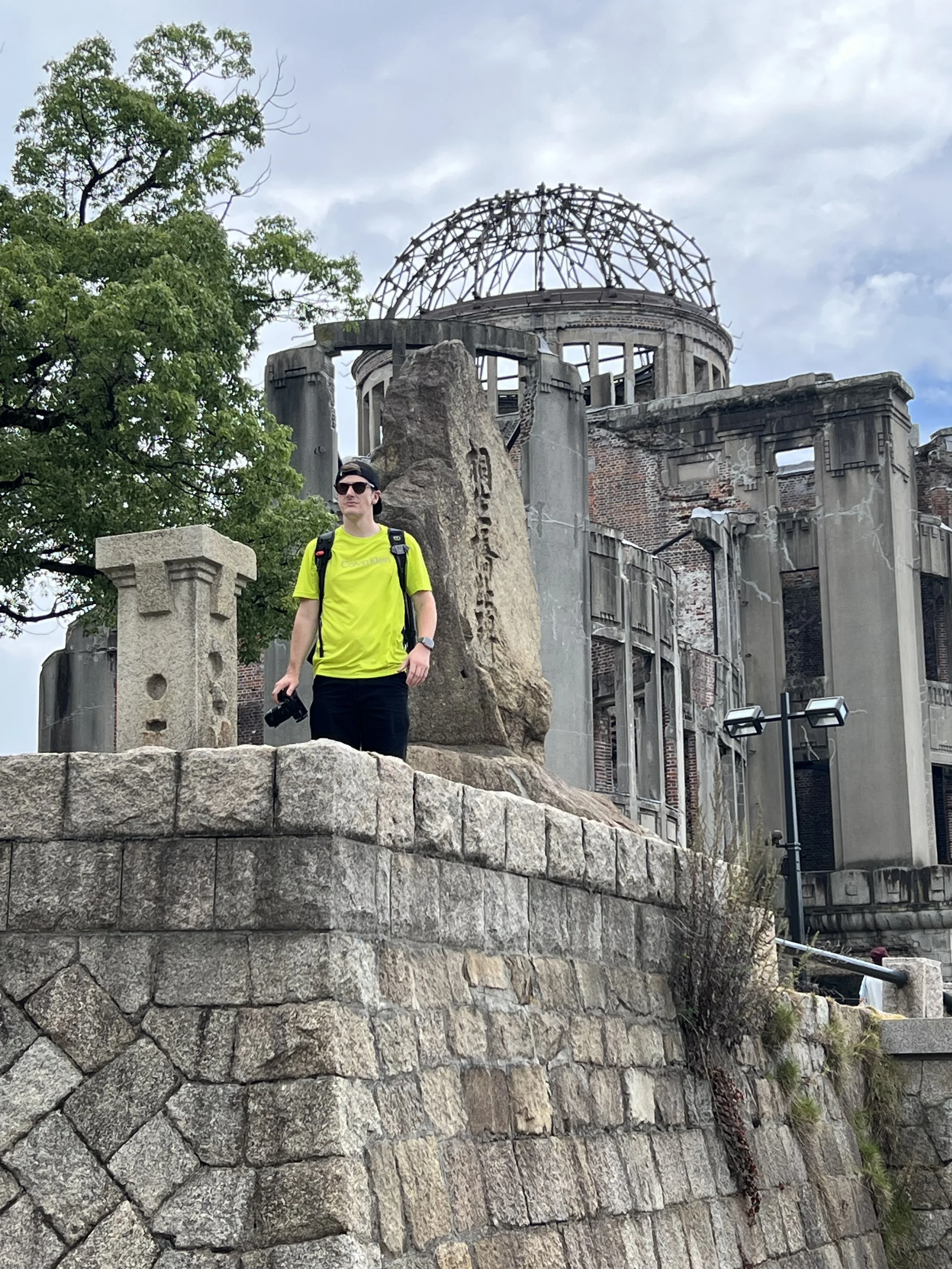
Hiroshima is a city that leaves a lasting impression. The Peace Memorial Park and Museum offer a powerful and emotional look at the city’s past, while the surrounding city shows its incredible strength, warmth, and modern energy. It’s a place for reflection - but also for appreciating how life continues.
Helpful tips:
Allow at least half a day for the Peace Park and Museum.
Balance the emotional weight with a walk through the city or along the river afterward.
Don’t leave without trying Hiroshima-style okonomiyaki (it’s a local specialty and very good).
5. Miyajima – Japan’s Most Scenic Island
Just a short ferry ride from Hiroshima, Miyajima feels like stepping into a calm, storybook version of Japan. The famous floating torii gate of Itsukushima Shrine is especially magical at high tide, while low tide lets you walk right up to it. Add forested trails, mountain views, and a slower pace of life, and it’s the perfect reset button.
Helpful tips:
Check tide times for the best views of the torii gate.
Stay until evening if you can - the island becomes wonderfully quiet after day-trippers leave.
Watch out for the local deer here too. Clearly they run the country.