
How to Improve Your Photography (Without Buying Expensive Camera Gear)
One of the questions I get asked most often is: "What camera should I buy to take better photos?" People are often surprised by my answer...
Over the years I've photographed everything from misty mornings in the Lake District and dramatic coastlines around the UK, to floating villages in Cambodia. Some of my favourite photographs were taken with camera gear that many photographers would now consider outdated. Equally, I've taken plenty of disappointing photos with equipment that cost a small fortune. The longer I've been doing photography, the more I've realised that better photographs rarely come from buying a new camera. They come from learning to see.
Some valuable advice would be to notice beautiful light, simplify a busy scene, slow down and wait for a moment, rather than rushing to press that shutter. Photography has a funny way of keeping you humble. No matter how much experience you have, there's always something new to learn. I still come home from shoots wishing I'd spotted a different composition or arrived five minutes earlier for better light.
The good news is that improving your photography doesn't require expensive gear. Most of the biggest improvements come from understanding a few key principles and practising them consistently.
In this short guide, I've gathered together 10 important lessons that have made the biggest difference to my own photography. They're not rules, and they're certainly not the only way to approach photography, but they're ideas I come back to time and time again whenever I want to make better photographs.
Whether you're using a smartphone, an older DSLR or the latest mirrorless camera, these are the foundations that matter most.
1. Learn to See the Light
If there's one thing that will improve your photography more than almost anything else, it's learning to recognise good light.
Many beginners focus heavily on camera settings and equipment, but the quality of light often has a much greater impact on the final image than you can ever imagine.
The same location can and will look completely different depending on the lighting conditions. A woodland scene that appears ordinary at midday can become magical when morning mist drifts through the trees. A landscape that feels flat under grey skies can suddenly come alive when sunlight breaks through the clouds. This is why setting your alarm for an early morning walk, can seem painful at first, but the results can be incredibly rewarding.
When you're out with your camera, try and pay attention to:
The direction of the light
Whether the light is soft or harsh
The colour of the light
How shadows shape the scene
Learning to recognise good light is one of the fastest ways to improve your photography.
2. Focus on Composition
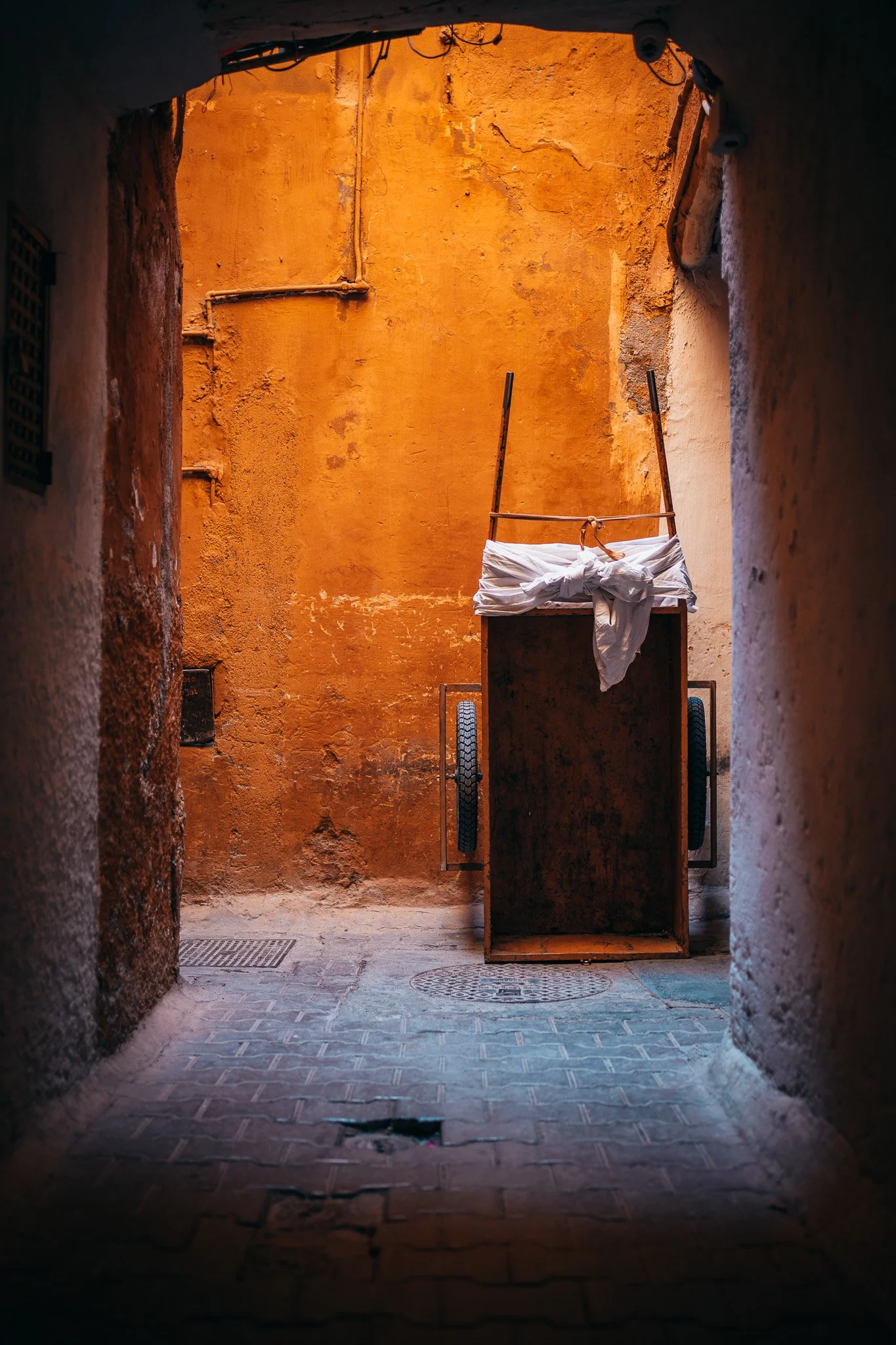
Composition is what determines how a viewer experiences your photograph.
Whenever you find a scene worth photographing, take a moment to think about what attracted you to it in the first place. Is there a particular subject, shape, colour or pattern that stands out that you want to emphasise? Your composition should help draw attention to that element.
Some useful techniques include:
Rule of thirds – Place subjects off-centre for a more balanced, natural composition
Leading lines – Use roads, paths or shapes to guide the viewer’s eye through the image
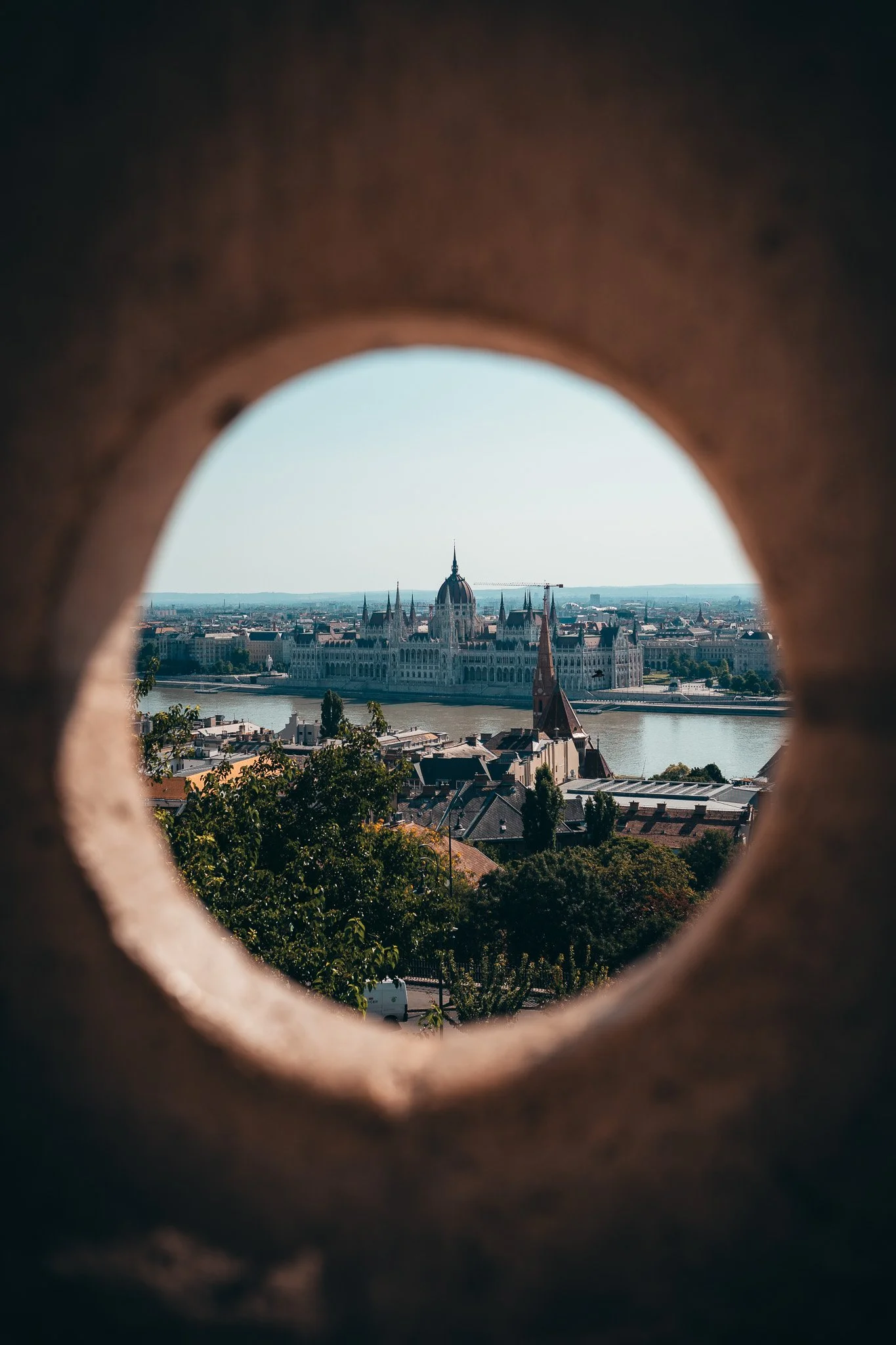
Framing – Use elements like windows, trees or arches to naturally frame your subject
Symmetry – Create balance by mirroring elements on both sides of the frame
Negative space – Leave empty space around your subject to make it stand out more
These aren't rules that must always be followed, but they're valuable tools that can help you create stronger images. Sometimes simply moving a few steps to the left or right can completely transform a photograph.
3. Add Depth to Your Images
One of the biggest challenges in photography is translating a three-dimensional scene into a two-dimensional photograph.
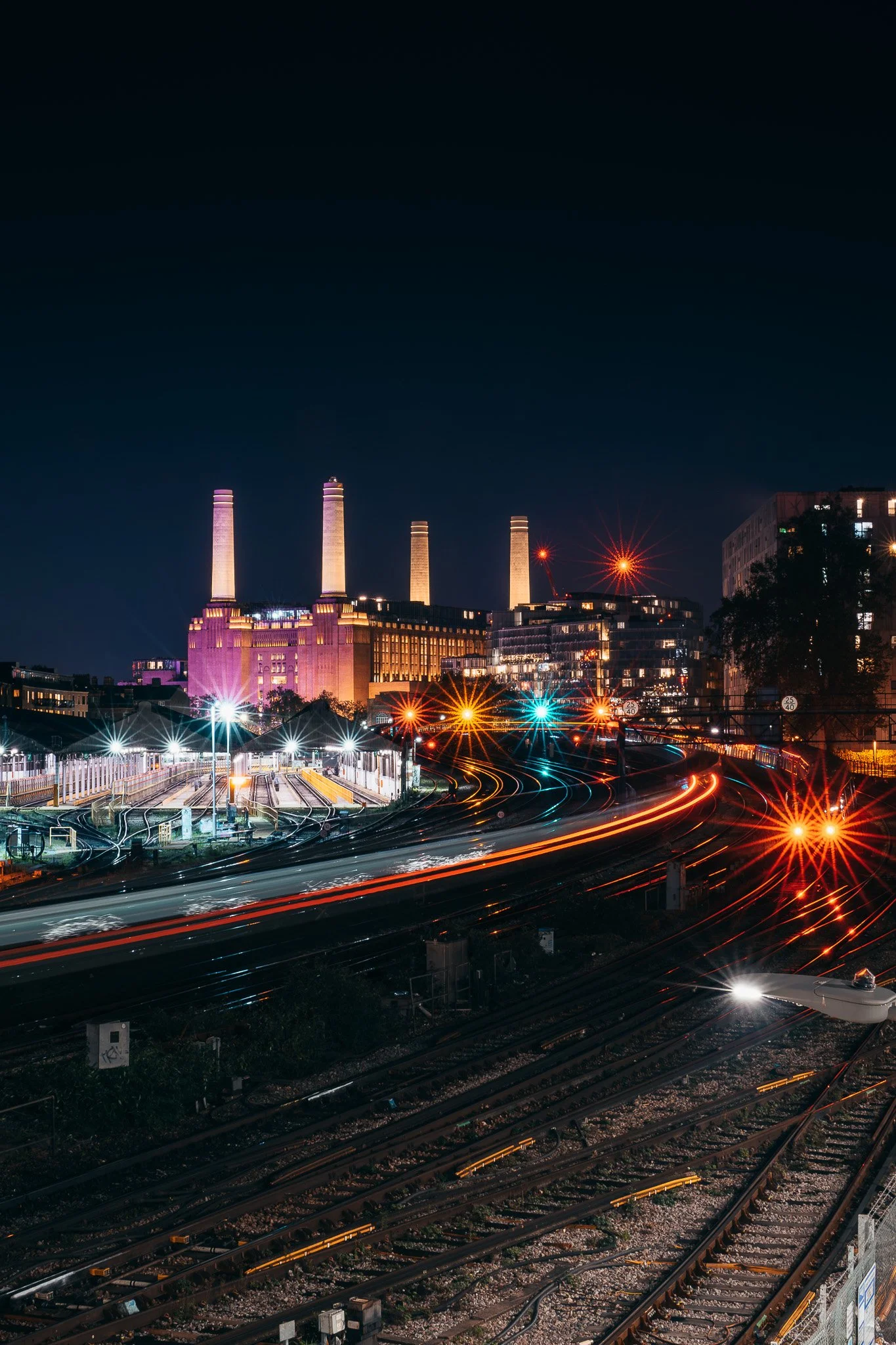
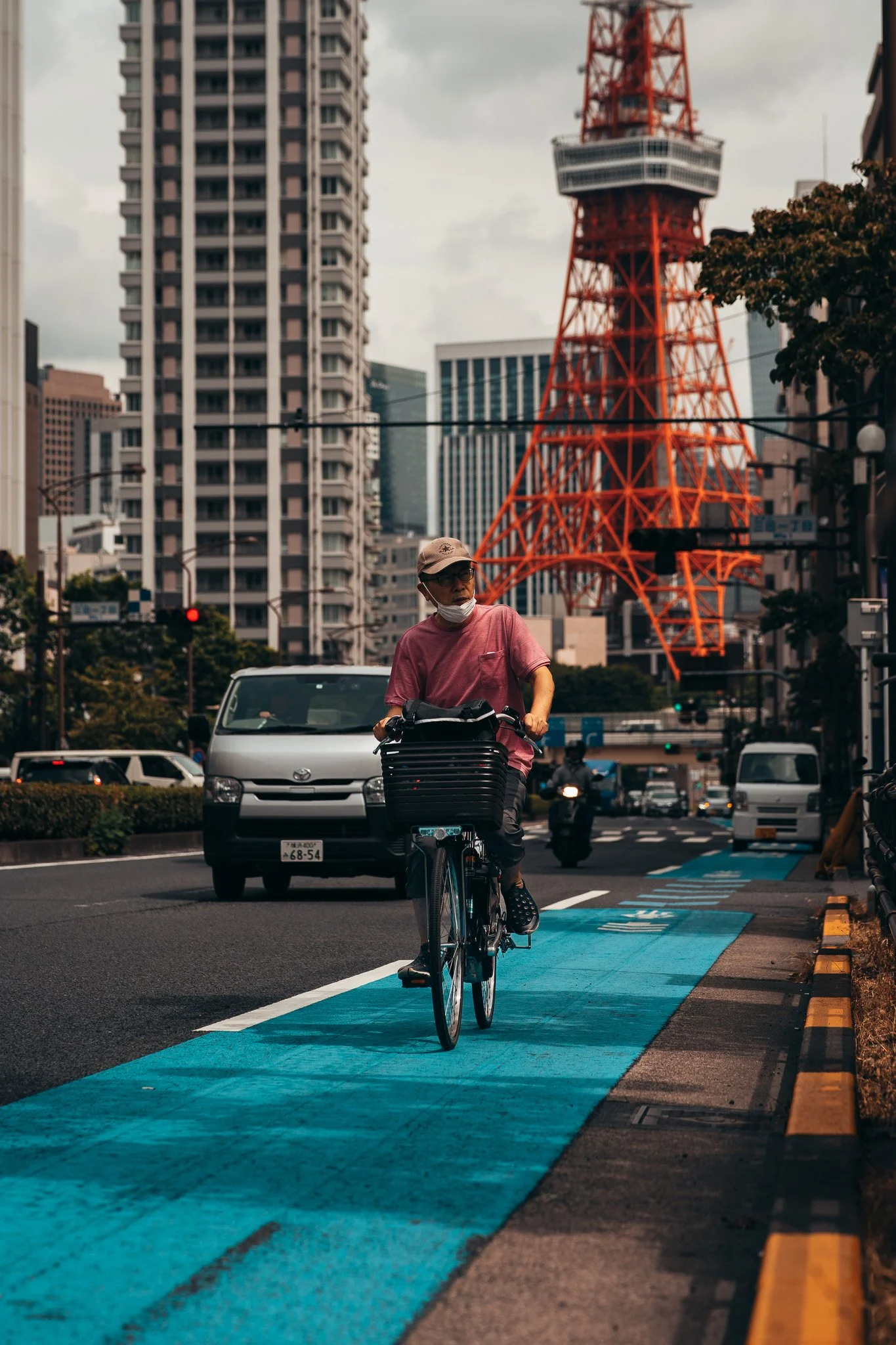
If your images often feel flat compared to what you saw in person, try creating layers within the frame.
Try to look for:
A strong foreground element
Something interesting in the midground
A background that completes the scene
This simple approach helps create depth and encourages viewers to feel as though they're stepping into the photograph rather than simply looking at it.
4. Understand the Basics of Camera Settings
Camera settings can seem intimidating at first, and I can say this is very true. Even now after all the years I have been photographing, there are so many settings and options at your disposal. The truth is, you don't need to master every feature your camera offers. Only use what you feel is going to benefit or assist you. The more and more you use whatever camera it is you are using, you will become more confident to expand on them.
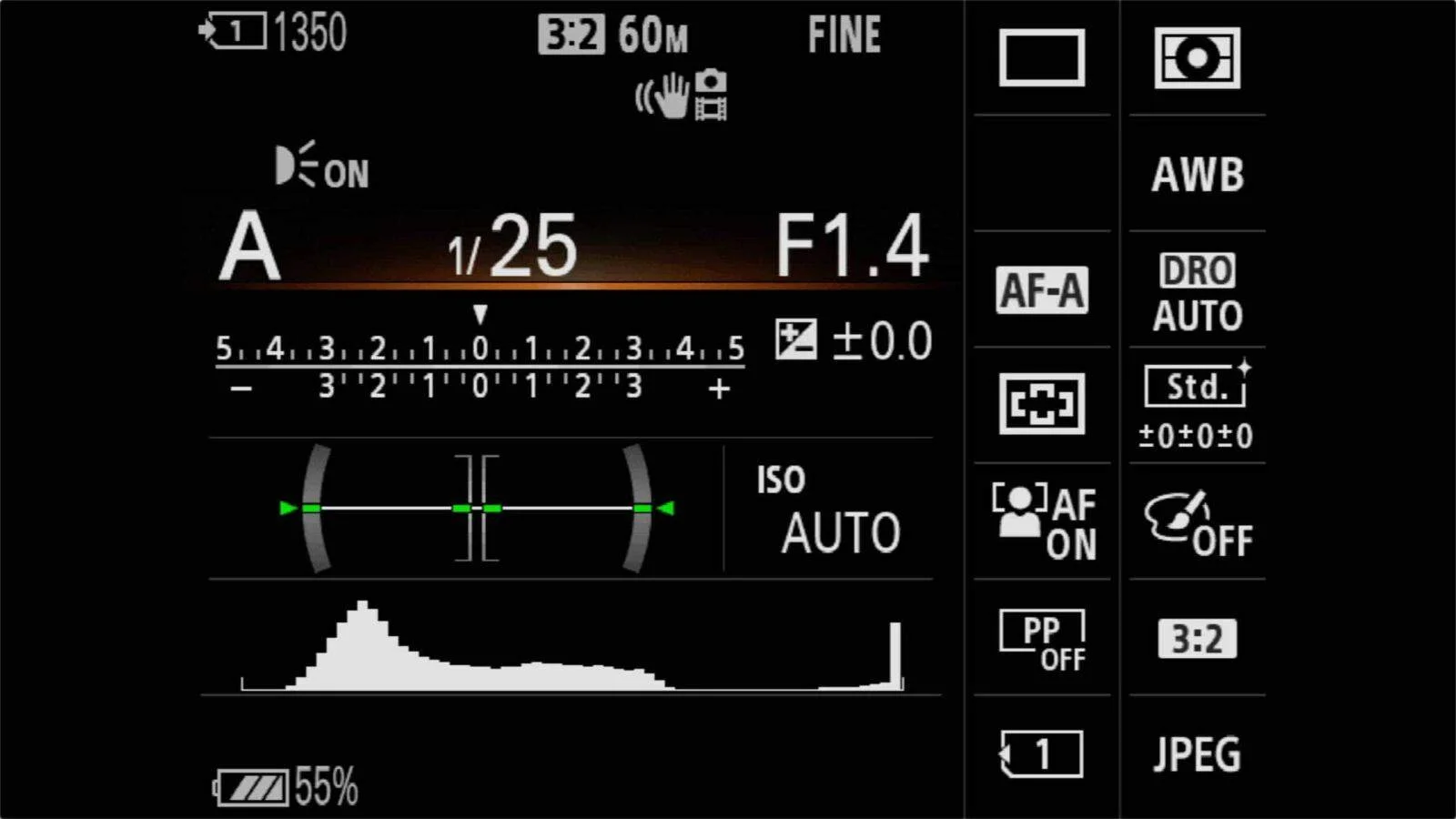
Start first by understanding the three key settings that make up the exposure triangle. These are the relationship between the three main settings that control how bright or dark your photo is. They all work together to create a correctly exposed image. If you change one, you usually need to adjust one (or both) of the others to compensate.
Aperture (How wide the lens opens | controls background blur + light)
Shutter speed (How long the camera takes the photo | controls motion blur)
ISO (How sensitive the camera is to light | controls brightness + grain)
Together, these settings control exposure and influence how your image looks.
Once you understand how these three settings work together, you'll gain much more creative control over your photography and become less reliant on automatic modes.
5. Don't Be Afraid of Bad Weather
Many photographers wait for perfect weather before heading out with a camera.
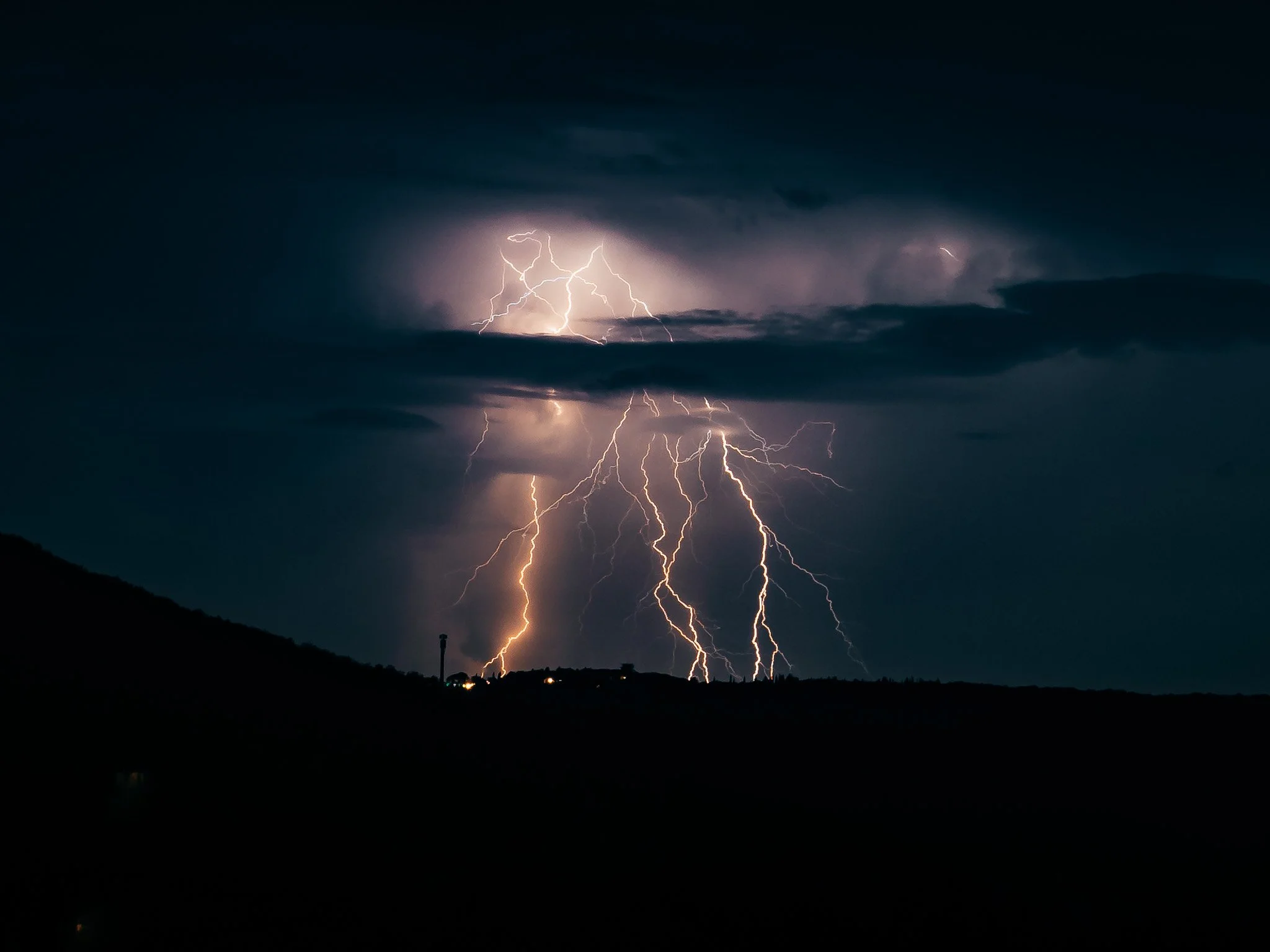
The reality is that some of the most memorable and dramatic photographs are created when conditions are far from perfect.
Fog can add mystery and atmosphere. Rain is a perfect excuse to use reflections and add mood. Storm clouds can introduce drama and contrast.
Instead of cancelling a photography trip because the forecast looks poor, consider how those conditions might help create something unique and use it to your advantage. A top tip if you are flightented of getting your camera wet, buy yourself a waterproof camera bag. They are cheap and usually have a drawstring around the end to secure to the lens. Otherwise, a supermarket carrier bag will do!
6. Make the Most of Golden Hour
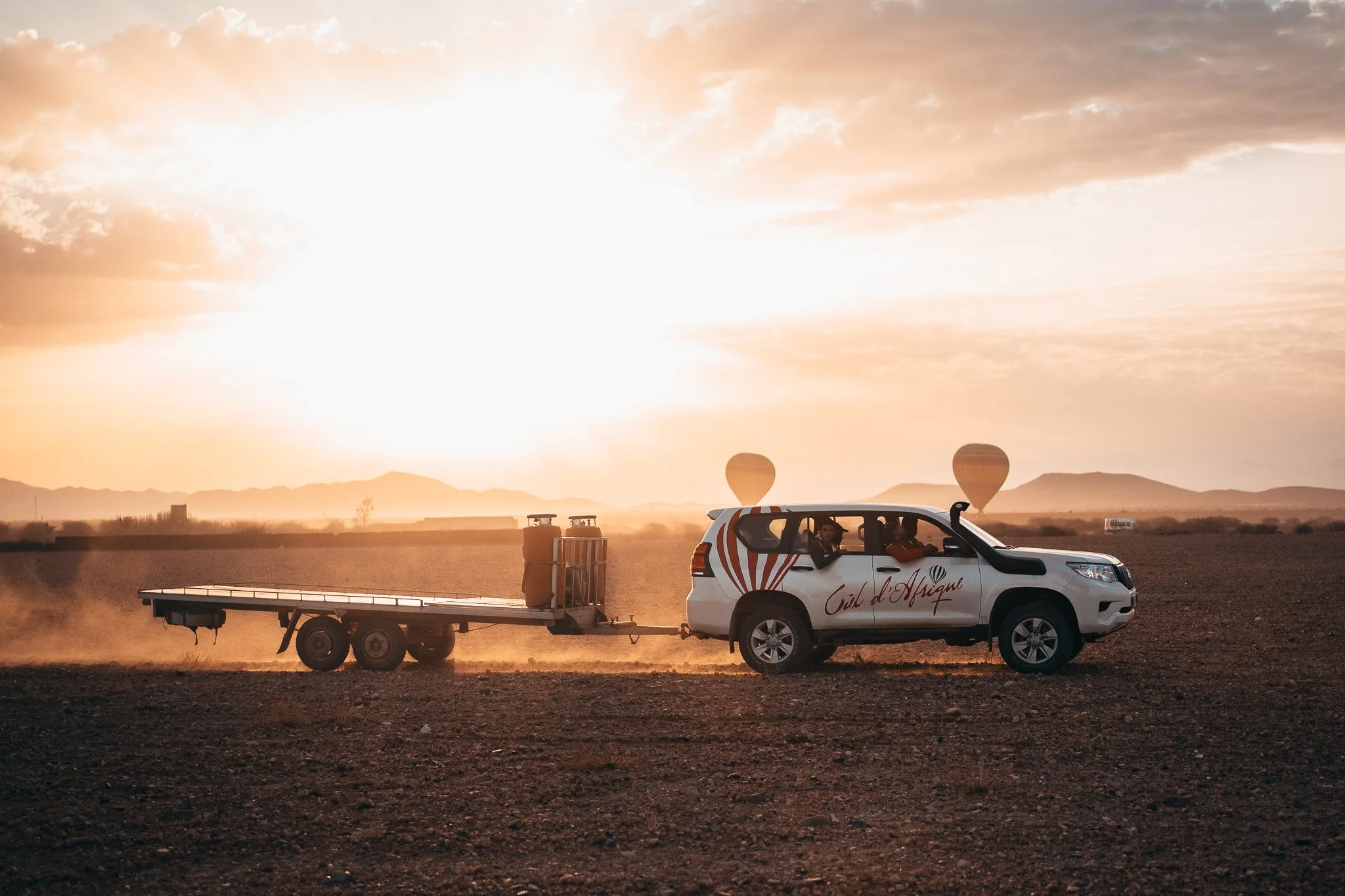
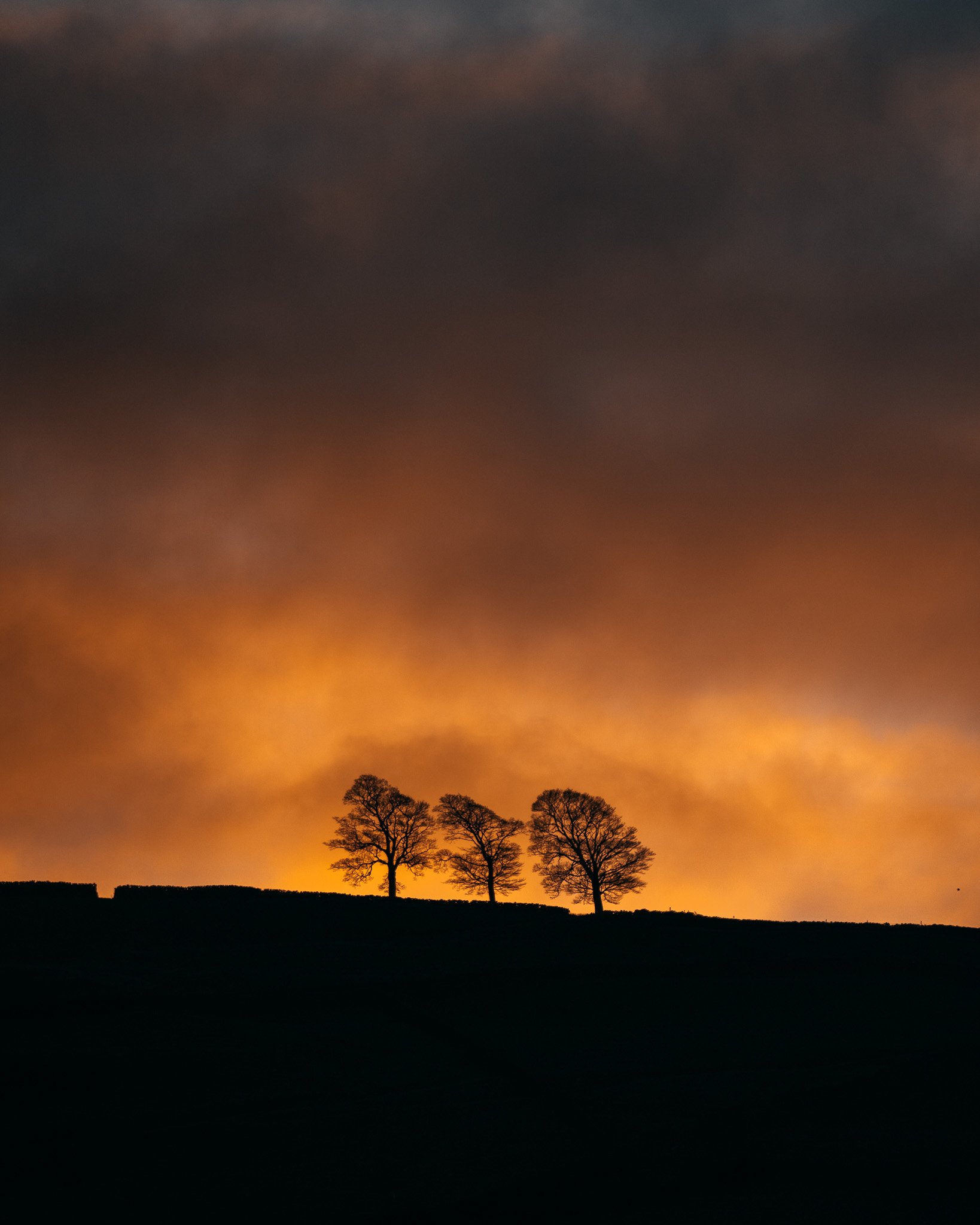
If you've ever wondered why some landscape photographs seem to glow, there's a good chance they were taken during golden hour. You may be lucky, you may not be, but if you do get a good golden hour, consider it a reward.
The hour after sunrise and the hour before sunset often provide some of the most beautiful natural light of the day.
During this time you'll often find:
Softer shadows
Warmer colours
More texture
Greater depth
While great photographs can be taken at any time, learning how to use golden hour effectively can make a noticeable difference to your results.
7. Finding Interesting Subjects Everywhere
One of the biggest misconceptions in photography is that you need to travel somewhere spectacular to create great images.
In reality, interesting subjects can be found almost anywhere once you begin paying closer attention to your surroundings. Look through that hole, around that tree, or up onto the tops of buildings. Look for the unusual, that something that when framed just right, would create a compelling image.
I still struggle to this day, then I use the below as ways of composing an image.
Try looking for:
Shapes
Patterns
Colour
Texture
Light
The more you practise observing the world around you, the more photographic opportunities you'll begin to notice. Photography is often less about finding extraordinary places and more about learning to see ordinary places differently.
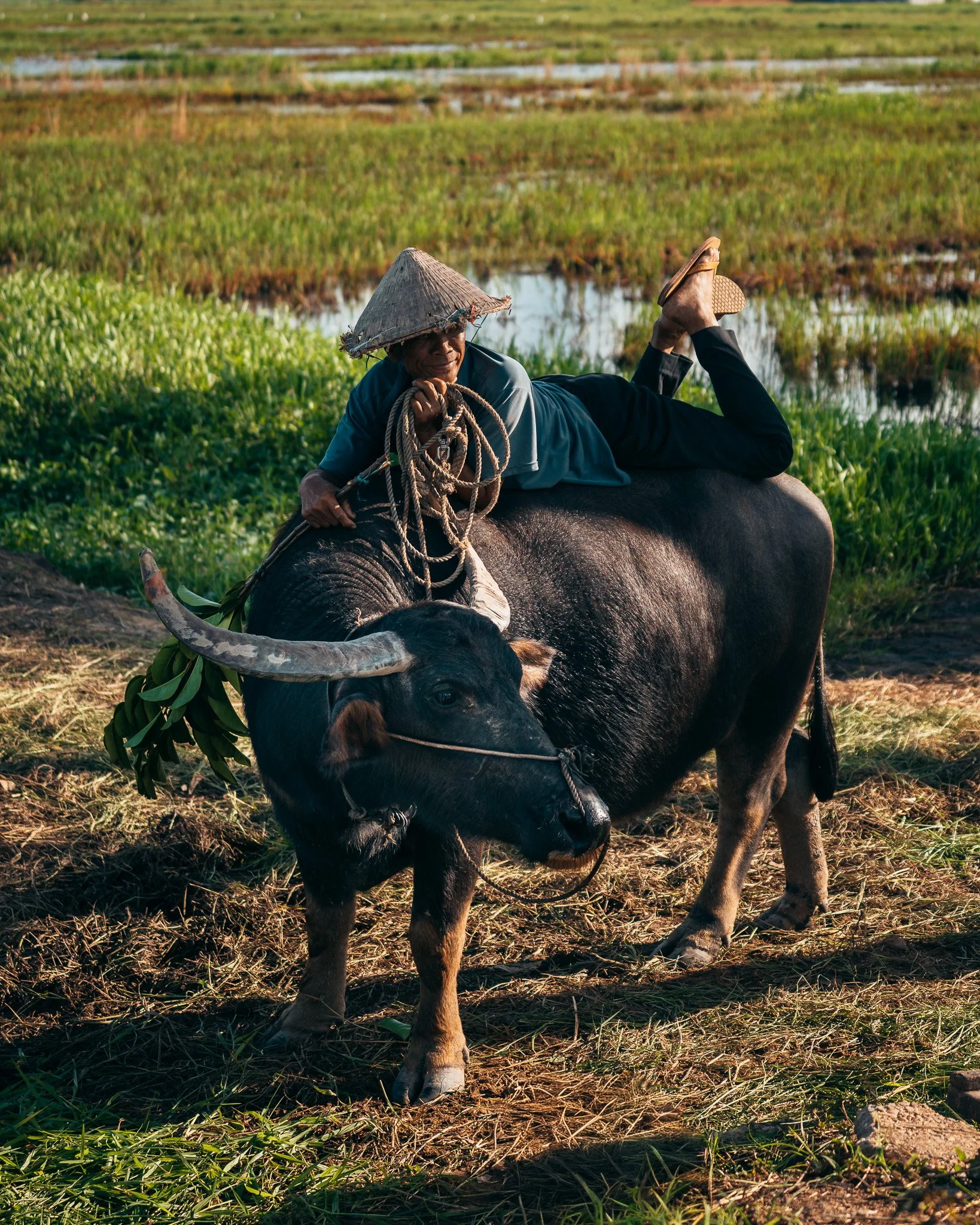
8. Tell Stories Through Your Photographs
The photographs people remember most are often the ones that tell a story.
If you're photographing a new destination, try looking beyond the obvious landmarks. I find portraits of people going about their daily life great for storytelling.
Consider including:
Local people
Everyday moments
Small details
Culture
Atmosphere
These elements help create photographs that feel more personal and immersive, allowing viewers to connect with the place rather than simply recognising it.
9. Develop Your Own Style
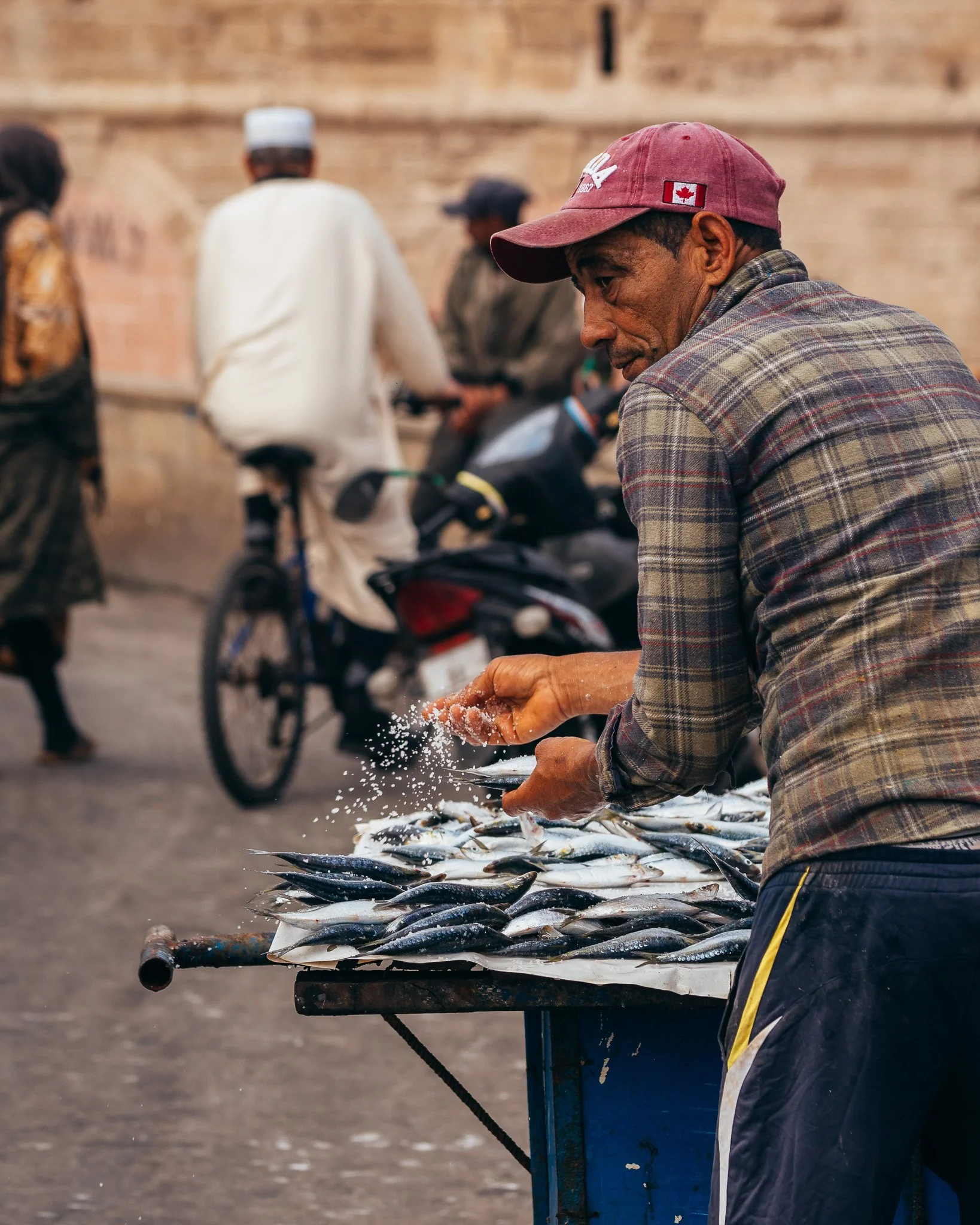
Every photographer starts by taking inspiration from others, I have done this and most photographers will say this too.
Over time, however, you'll probably begin to notice certain subjects, colours, moods or compositions appearing repeatedly in your work. They might just start to occur naturally as you find your own style.
Ask yourself:
What scenes naturally attract your attention?
What emotions do you want your photographs to convey?
What do you enjoy photographing most?
Developing your own style takes time, and has no boundaries. It happens gradually through experience, experimentation and consistency.
The more photographs you create, the more your own creative voice will begin to emerge. Before you know it you could be writing your own book, or be talking about by other photographers for your unique way of capturing moments.
10. Learn From Your Mistakes
Mistakes are part of photography, regardless of experience level we all make them. I have always said for ever 20 photos you take, you may only have one image you are truly happy with. Digital photography makes it easy to capture with shots almost unlimited, while film you know you have to be particular as you have a limited capacity.
Sometimes you'll arrive too late. Sometimes you'll miss the best light. Sometimes you'll get home and realise the composition wasn't quite right.
Rather than becoming frustrated, use these moments as opportunities to improve.
Common mistakes include:
Cluttered compositions
Poor timing
Ignoring the light
Over-editing
Focusing too much on equipment
Learning to recognise these mistakes is often one of the quickest ways to improve your photography without doubt.
Final Thoughts
Photography is one of those hobbies where there's always another lesson waiting around the corner. Technology will continue to improve. Cameras will become faster, sharper and more capable. Yet the foundations of great photography will remain remarkably consistent. Light, Composition, Timing and Storytelling matter.
If you're looking to improve your photography, don't feel pressured to master everything at once. Consider it a journey and focus on one area at a time. Practise it regularly and build from there.
The most important thing is to get out and take photographs, enjoy yourself and don’t forget to share your results.
That's where the real learning happens.